
Robotic Vacuum Cleaner
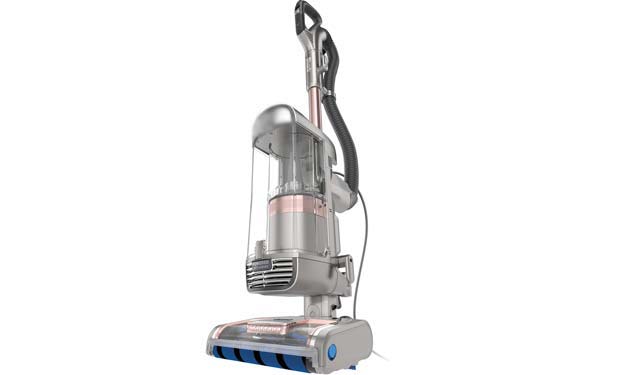
Review of Robotic Vacuum Cleaners
I’ll admit it—I love gadgets. Any tool that promises to solve a problem with minimal effort instantly gets my attention. So, when robotic vacuum cleaners first appeared, I couldn’t help but smile. In my mind, I imagined relaxing by the pool (sadly, a fantasy), drink in hand, while a robot vacuum quietly handled the floors inside.
Unfortunately, reality didn’t quite match the daydream. After reading independent testing results, my gadget fantasy took a hit. While robotic vacuums are clever, they still fall short of replacing traditional cleaning.
That said, the inventors behind these machines deserve credit. The idea is excellent. However, the technology simply isn’t there yet. I still hold out hope that one day these little machines will live up to their promise. Until then, here’s the dirt—pun fully intended—on robotic vacuum cleaners.
The Main Problem With a Robotic Vacuum Cleaner
First and foremost, power is a major issue. Like most cordless vacuums, robotic models cannot match the suction of corded upright or canister vacuums. As a result, their ability to deep-clean carpets remains limited.
On top of that, these machines must balance cleaning and “thinking” on the same battery charge. Navigation, sensors, and decision-making all drain power that could otherwise go toward suction and brush performance.
The Technology
Another challenge lies in setup and programming. Most robotic vacuums require a fair amount of initial configuration before they can clean effectively. While this setup usually happens only once, it can feel overwhelming.
For anyone who isn’t gadget-savvy, the process can be frustrating. In fact, it often feels like programming an old VCR—confusing buttons, unclear instructions, and a lot of trial and error.
The Sensors
Sensor technology is improving, but it still has a long way to go. Some high-end models use ultrasound or advanced mapping, which sounds impressive. However, in practice, these systems don’t perform dramatically better than cheaper models that simply bump into objects.
In real homes, robotic vacuums struggle. Corners and edges often get skipped. Door jambs, cords, and furniture legs cause problems. Many units get stuck under beds or couches and need rescuing. Even worse, some manage to close doors and trap themselves inside rooms.
Because of these limitations, robotic vacuums work best in large, open spaces with minimal obstacles.
Collection Containers
Another limitation involves dirt capacity. Robotic vacuums use small collection bins, which fill quickly in dusty homes. While their weaker suction means they collect less overall, certain messes—like soil from a knocked-over plant—can overwhelm them fast.
Some models stop and alert you when the bin is full. Others simply keep going or rely on a small indicator light. Either way, frequent emptying is often necessary.
Cleaning Time
Speed is another drawback. In one test, a robotic vacuum took nearly two hours to clean an area that required less than ten minutes with a traditional vacuum.
Yes, that ten minutes could be spent lounging by the pool. Still, the difference in efficiency is hard to ignore.
Who Should Get a Robotic Vacuum Cleaner
Robotic vacuums make sense for certain people. If you love being an early adopter and enjoy owning the newest gadgets, you’ll probably want one. If you bought a VCR when they first came out—and proudly showed it off—this category may include you.
They can also be surprisingly entertaining. Children often enjoy watching them roam, and pets sometimes do too. While supervising the robot, kids may feel involved in cleaning without actually vacuuming. In that sense, these machines can pull double duty as light cleaners and household entertainment.
For neat freaks, robotic vacuums can be appealing as well. Scheduled cleaning means visible dirt disappears while you’re away. By the time you get home, high-traffic areas look better with zero effort. Just be sure to test the vacuum first—especially around delicate furniture.

Follow Us on Facebook