How to Get Organized

Planning Ahead and Being Organized can Help Lower Stress.
How to Get Your Home Organized
Learning how to get organized can feel overwhelming at first, but it’s easier than most people think. Even the most organized people started somewhere – usually with a simple system that worked for them. If you’ve been feeling scattered with schedules, paperwork, cleaning, meal planning, or kids’ activities, today is your day to start fresh. These tips will walk you step by step through creating a system that works in real life.Step 1: Declutter Before You Organize
Before you try to organize, declutter first. No matter how many bins, binders, or apps you use, it’s impossible to create a lasting system if you’re holding onto things you don’t need. Start by quickly sorting what you have into three piles – keep, donate, toss. Work one area at a time so you don’t get overwhelmed. Once you’ve pared things down, the organizing tools you choose will actually work. Example: Go through your kitchen junk drawer before you make your “household essentials” list. Organizing only what you actually use is faster, easier, and far more effective. Decluttering is the foundation of how to get organized. Once you’ve cleared the excess, you’re ready for the next step.Step 2: Create a Household Command Center
One of the most effective ways to stay on top of schedules, chores, and important information is to create a household command center. This can be a simple binder, a digital planner, or a combination of both. Think of it as the “brain” of your home – a single place where you keep the lists, phone numbers, schedules, and checklists that keep everything running smoothly.Setting Up Your Household Command Center
- Choose a sturdy 8 1/2 × 11 binder or planner.
- Add dividers, labels, and pockets for receipts or small notes.
- Treat it like your family’s brain: it holds the information you use to manage your home.
What to Include Inside
- Phone Numbers – All family members’ numbers, work, grandparents, close friends, school, vet, non-emergency police/fire, hospital, utilities, and frequently called services.
- Addresses – Handy for invitations, cards, and medical offices.
- Emergency Information – Medications, special instructions for kids, poison control, copies of insurance or medical cards.
- Shopping Lists – One master grocery list divided by category (produce, dairy, personal care, pet products) so everyone can add items in one place.
- Cleaning and Chore Lists – Daily, weekly, and seasonal checklists for yourself or kids.
- Calendars – Print weekly, monthly, or color-coded schedules for each family member.
- Miscellaneous – Travel checklists, guest prep lists, clothing sizes for the family, take-out menus, and wish lists for birthdays or holidays.
Step 3: Use Tools That Actually Work
Learning how to get organized isn’t about having the fanciest planner; it’s about using what you have consistently.Day Planners
If you already have one sitting on a shelf, open it up! Customize it the way you did your binder, using tabs, stickers, or blank inserts. Choose one that matches your style and needs.Your Computer
Use it for master lists and calendars. When information changes, update and reprint instead of rewriting everything. Post a family copy on the fridge or near your home “command center.”Electronic Gadgets
Phones and tablets can be powerful organizers.- Use shared family calendar apps so everyone can add or check events.
- Set reminders for pick-ups, appointments, and errands.
- Try to-do list apps or use built-in voice notes to capture ideas on the go.
Step 4: Organize Your Space Before You Buy Storage
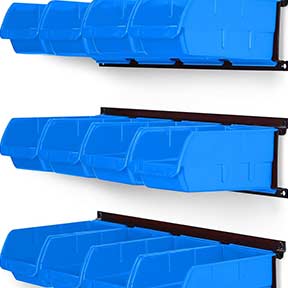
One of the biggest mistakes people make when learning how to get organized is buying storage containers too soon. Organize first – buy later.Using Storage Containers Wisely
- Don’t impulse buy containers because they’re cute or on sale.
- Plan what you actually need to store and buy the right size.
- Reassess your items: donate or discard what you no longer use before you purchase anything to hold it.
- Is it temporary? Use containers as a holding zone only if you’ll sort it out soon.
- Is it long-term? Seasonal or occasional items belong in clearly labeled containers.
- Is it trash you’re storing? Be honest. If you haven’t used it in months or years, it may be time to let go.
- Does it make things more convenient? Under-bed storage for off-season sweaters or gear is great. Storing outgrown clothes “just in case” is not.
A Word About Decorative Containers
You don’t need matching baskets or glass jars for everything. Pretty containers can create more work (refilling, cleaning) without adding real value. Focus on function first.Step 5: Make Your System Stick
A system only works if you actually use it. Habits turn organization into a lifestyle.- Spend 5–10 minutes at the end of each day resetting your system.
- Pick a “Sunday reset” day to update calendars, lists, and do a quick declutter.
- Purge your binder or digital files every few months.
Step 6: Stay Motivated
Getting organized is a process, not a one-day project.- Celebrate small wins – finishing your phone list, setting up your planner, decluttering one drawer.
- Give yourself small rewards for progress.
- Remind yourself of the payoff: less stress, more free time, a calmer home.
Quick Wins for Everyday Organization
- Cleaning & Chore Checklists: Great for spring/fall cleaning or assigning tasks to kids.
- Meal Planning: Add a weekly menu page to your binder to cut grocery trips in half.
- Travel Prep Lists: Keep a running packing checklist for vacations so nothing gets left behind.
- Clothing Sizes: Write down everyone’s sizes so your spouse can shop without guessing.
How to Get Organized for Good
Getting organized isn’t about perfection or fancy supplies. It’s about creating a system that saves you time and mental energy – and then building the small habits that keep it running. Start with decluttering, set up a household command center (binder or digital planner), keep only what you use, store it in the right place, and review regularly. Once you’ve learned how to get organized, you’ll feel calmer, more in control, and better able to handle the daily grind – and your family will benefit from your new habits too.Storage Options



Follow Us on Facebook