Organizing Tips

Tips on Home Organization.
How To Organize More Effectively
Is the disorganized state of your home making you feel miserable? Maybe you’re not much of an organizing junkie and, despite your best intentions, you haven’t found the right organizing tips that truly work for you.
You flip through magazines for ideas and even clip coupons for storage options. Then you get sidetracked, and suddenly you’ve added another pile of papers to the living room floor.
You try to get organized (and honestly, your mess may not even be that bad), but somehow you always feel behind in that department. Distractions pull you away, and before you know it, the momentum is gone.
Don’t feel bad — we’ve all been there at one time or another, some worse than others. Sometimes ignoring a small mess feels easier than dealing with it.
However, that small mess will only grow into a bigger one. Deep down, you just want a simple way to get organized — and these organizing tips will help you get there.
Organizing Tips Start with Practice, Patience, and Parting
First, understand one basic principle of effective organization:
Purge the unwanted, unnecessary, and unneeded.
If one organizational technique doesn’t work, try another. Don’t give up. You will find what works best for you.
One of the best ways to organize your home is to reduce clutter. That means eliminating unnecessary possessions. Go room by room — including the garage — and take an honest look at what you own. Then make the decision to part with what you don’t truly need.
As you go through each room, gather garbage bags for trash and boxes for items you plan to keep or donate. Stay patient with yourself and anyone helping you. Once you finish one room, you’ll find your rhythm, and the next space will feel easier.
After you clear the clutter, clean and organize what remains. Enjoy the fresh, uncluttered appearance of your home. When you finish all the rooms, donate unwanted items or hold a garage sale.
Organizing Tips to Get You Started
Keep this in mind: if you expect perfection on your first attempt, you’ll likely feel disappointed. Your home may not look like a magazine photo shoot yet — but you’re moving in the right direction.
Also understand this: clutter doesn’t disappear in one single attempt. If your previous efforts failed, it may be because you tried to organize everything all at once.
Organizing takes practice, patience, time, planning, goal-setting, and prioritizing. That may sound overwhelming, but don’t let it discourage you. The fact that you’re still searching for solutions means you’re ready for change.
Here are some simple tips to keep in mind:
- Make lists of tasks for each room.
- Set a date, time, and limit for how long you’ll work — then follow through.
- Stay focused and don’t let interruptions derail you.
- Finish or put away one project before starting another.
- Return items to their proper place immediately after using them.
Work in Stages
Instead of tackling everything at once, break your organizing plan into stages. Put pencil to paper and write down ideas for specific spaces in your home or office. Clear goals create better results.
Work on the Most Used Rooms First
Focus first on the rooms you use the most. These usually include the living room, dining room, kitchen, and bedroom. When these spaces stay tidy, your entire home feels more manageable.
Organizing Tips for the Living Room
Start with the living room. Grab a box and collect papers, movies, remotes, toys, and anything else that doesn’t belong. Check shelves, side tables, and mantels where items often collect.
Throw away trash and return everything else to its proper place.
Then dust surfaces, fluff pillows and cushions, and vacuum thoroughly. Small finishing touches dramatically improve the room’s appearance.
Organizing Tips for the Dining Room
Next, move into the dining room. Clear tables and chairs of items that don’t belong, such as:
- Old newspapers
- Office files
- Dirty glasses and dishes
- Clothes draped over chairs
Dispose of unnecessary papers and return everything else to its proper place. Take dishes to the kitchen and put clothes away. Finish by vacuuming floors, cleaning the tabletop, dusting furniture, and refreshing upholstered chairs.
Organizing Tips for the Kitchen
The kitchen often becomes the most cluttered and busiest room in the house. Counters, tables, and chairs easily collect random items.
Start by clearing surfaces completely. Put appliances back where they belong. Toss expired food, wipe down cabinets, and organize drawers one at a time. When you focus on one section instead of the whole room, success comes faster.
Organizing Tips for the Bedrooms
A clean and organized bedroom promotes better sleep, reduces stress, and creates a calm environment.
Clutter overwhelms your senses and makes relaxation difficult. By keeping your bedroom tidy and serene, you support both restful sleep and mental clarity. Make the bed daily, clear nightstands, and keep clothing either hung up or placed in hampers.
Organizing Tips for Other Areas in the House
After organizing the most-used rooms, turn your attention to other spaces like the home office, den, bathrooms, and garage.
Don’t overlook closets. You may discover significant storage space simply by rearranging shelves and removing unused items.
Finding the Best Organizing Solutions for You
Finding the right system requires daily commitment. However, once you establish order, daily maintenance takes very little time.
After cleaning and organizing, ask yourself what additional systems might improve your space. Here are a few practical ideas:
Reuse Egg Cartons
Use egg cartons in junk drawers to separate rubber bands, tacks, paper clips, jewelry, loose change, and small hardware. The lid even holds scissors and pens. Replace them when worn.
Make Your Own Lazy Susan
Create a two-tiered stand by gluing a larger plate to a wooden spool and a smaller plate to the top. Use it to store makeup, jewelry, snacks, or office supplies.
File Boxes or Filing Cabinets
Choose a file box or filing cabinet to organize financial documents and important paperwork, depending on your available space.
Shoe Organizer
Hang a shoe organizer behind a door to store crayons, toys, office supplies — or actual shoes. These organizers work for both kids and adults.
Ottoman Storage
An ottoman with hidden storage provides space for books, games, toys, and movies. They come in various sizes, shapes, and price ranges.
Under Stair Storage
If your home allows it, use under-stair space for built-in drawers or cabinets. Instead of wasting space, turn it into practical storage.
Maximize Closet Space
Research closet systems that range from simple shelving units to full custom designs. As your possessions change, adjust your storage methods accordingly.
Learn from Others
When someone shares an organizing solution that works for them, pay attention. Their idea might solve your challenge.
Some solutions may exceed your budget, so work creatively with what you already have.
Remember, progress — not perfection — leads to lasting results. Perfection requires time, commitment, perseverance, and patience.
Organizing Tip: Get the Family Involved
If others contribute to the mess, everyone should help with cleaning, planning, and maintaining the home. Organization works best as a team effort.
You are not alone in this. Many people search daily for ways to improve their homes and simplify their lives.
We hope these organizing tips give you the direction, motivation, and confidence you need to take control of your space and keep it that way.
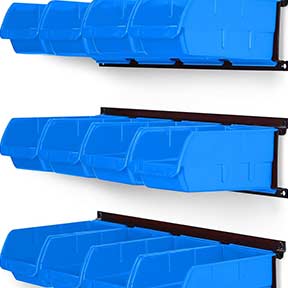
Storage Options



Follow Us on Facebook