Homemade Window Cleaning Recipes

Recipes for Making Window Cleaning Solutions
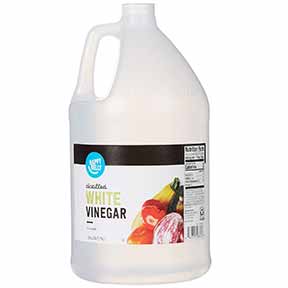
If the thought of paying for expensive window washing solution pains you as much as the chore itself, you’ll be glad to know there’s a better option: homemade window cleaning recipes. Simple ingredients such as white vinegar, dish soap, and water can make effective window cleaners without buying a specialty spray.
Before store shelves were lined with dozens of window cleaners, people relied on simple household ingredients to clean glass. Those basic methods still work today, especially when you use the right solution for the amount of dirt on the windows.
For most everyday window cleaning, you don’t need a complicated recipe. A simple vinegar-and-water solution or mild soapy water can do an excellent job. The trick to streak-free windows is just as much about how you clean as what you put in the spray bottle.
Don’t Forget the Tools
Before mixing your solution, gather the right tools:
- Spray bottles – Ideal for applying homemade mixtures. Be sure to label each one clearly for safety.
- Cleaning gloves – Optional, but helpful for keeping your hands dry.
- Microfiber cloths – Use clean, lint-free cloths for wiping and drying.
- Squeegee – Especially useful for large windows and exterior glass.
- Bucket and sponge – Great for larger jobs or very dirty windows.
- Soft brush or vacuum – Helpful for removing dirt from window tracks, frames, and sills before cleaning the glass.
Homemade Window Cleaning Recipes
Here are several simple homemade window cleaning recipes, from everyday cleaning to heavily soiled windows.
Everyday Vinegar Window Cleaner
This is a simple go-to solution for regular window maintenance.
- 1 cup warm water
- 1/4 cup white vinegar
Mix in a spray bottle, label the bottle, and shake gently before use.
Spray the glass lightly and wipe with a clean microfiber cloth. You can also use the solution with a squeegee on larger windows.
If you prefer a weaker vinegar solution, you can use 1 part white vinegar to 10 parts water, which is also recommended by Pella for some of its windows.
Cleaning tip: Don’t soak the glass or surrounding frame. Apply enough solution to clean the glass, then wipe or squeegee it away.
Soapy Water for Dirty Windows
Sometimes the simplest recipe works best, especially for outdoor windows covered with dirt, pollen, or other grime.
- 1 gallon warm water
- A few drops of liquid dish soap
Add just enough dish soap to make the water slightly soapy. Too much soap can leave a film that makes windows look streaky.
Dip a sponge or soft cloth into the solution, wash the glass, and then use a squeegee to remove the dirty water. Wipe the squeegee blade between passes.
This is a particularly good first step for very dirty windows because it removes loose dirt and grime before you use a lighter window-cleaning solution. Mild soapy water is also recommended in window-care instructions from manufacturers such as Andersen.
Vinegar and Dish Soap Window Cleaner
If your windows have greasy fingerprints or heavier household grime, add a very small amount of dish soap to a vinegar solution.
- 2 cups warm water
- 1/4 cup white vinegar
- 2 or 3 drops liquid dish soap
Mix gently in a labeled spray bottle.
The dish soap helps loosen greasy dirt, while the vinegar helps cut through film on the glass. Use only a few drops of soap. Too much can leave a soapy residue and create more streaks.
Vinegar and Rubbing Alcohol Cleaner
Rubbing alcohol can be useful for small areas with stubborn greasy residue or fingerprints, but it isn’t necessary for routine window cleaning.
- 2 cups warm water
- 1/4 cup white vinegar
- 1/4 cup 70% isopropyl alcohol
Mix in a labeled spray bottle and use a small amount on the glass.
Important: Alcohol isn’t appropriate for every window or window coating. Some manufacturers specifically recommend avoiding alcohol-based cleaners on certain glass products. If your windows have special coatings or you aren’t sure what type of glass you have, use the manufacturer’s recommended cleaning method instead.
What About Ammonia for Cleaning Windows?
Ammonia has traditionally been used to clean glass and can cut through grease and grime. However, I wouldn’t make an ammonia based cleaner my first choice for today’s windows.
Window manufacturers don’t all give the same recommendations for every type of glass. Some permit ammonia-based cleaners on certain products, while others specifically recommend ammonia-free cleaners. Pella, for example, advises against ammonia based cleaners for several of its window products.
If you have older plain glass and know ammonia is appropriate for your windows, follow the product label and use plenty of ventilation. Never mix ammonia with bleach or any cleaner containing bleach.
For most homes, there’s little reason to use ammonia when a simple vinegar-and-water or mild soap-and-water solution will do the job.
Window Cleaning Tips
The cleaning solution is only part of getting clean, streak-free windows.
- Clean windows when they’re cool. A cloudy day or a time when the glass is shaded is best. Direct sunlight can cause the cleaning solution to dry too quickly and leave streaks. If the sun has already warmed the glass, allow it to cool before cleaning.
- Remove dirt first. Dust or vacuum window tracks, frames, and sills before cleaning the glass.
- Wash very dirty windows with soapy water first. This removes heavy dirt and grime so you aren’t simply spreading it around with your final window cleaner.
- Use a squeegee on large windows. Start at the top and work downward, wiping the blade between passes.
- Use a clean microfiber cloth. Dirty or heavily used cloths can put residue right back onto clean glass.
- Don’t use too much dish soap. A little helps cut grease; too much can leave a film.
- Don’t use abrasive cleaners or rough scrubbers on glass. They can scratch glass or damage coatings.
- Skip the razor blade. Some modern glass has special coatings that can be damaged by scraping.
- Keep cleaners off the frames and surrounding surfaces when possible. Some window materials and finishes can be damaged or discolored by cleaning chemicals.
- Don’t use newspaper. Although newspaper has long been recommended as a window-cleaning trick, some manufacturers specifically advise against it because ink can transfer to glass or surrounding materials.
Do You Need Vinegar to Get Streak Free Windows?
No. Vinegar is useful, but it isn’t the secret to streak free windows.
Clean tools and the right technique matter just as much. If your windows are very dirty, wash them with mild soapy water first. Then use a small amount of window cleaning solution and remove it with a clean microfiber cloth or squeegee.
Too much cleaner, too much soap, dirty cloths, and cleaning glass in direct sunlight can all contribute to streaks.
Be Careful With Special Window Glass
Modern windows aren’t always made with plain, untreated glass. Some have Low-E coatings or other special treatments that require particular cleaning methods.
If you know your windows have a special coating, check the manufacturer’s cleaning instructions before using vinegar, alcohol, ammonia, abrasive cleaners, or scraping tools. Some products that are fine for ordinary glass may not be appropriate for a coated surface.
When to Clean Windows
If you’re deep cleaning your house, save the windows for later in the cleaning process. This prevents dust from other chores from settling onto freshly cleaned glass.
For many homes, cleaning windows at least twice a year is a good starting point. You may need to clean more often if you live near a busy road, have a lot of pollen, live in a coastal area, or have pets and children who leave fingerprints everywhere. Window manufacturers also recommend more frequent cleaning in areas with heavier airborne dirt and salt.
Clear Views, the Homemade Way
Why spend money on specialty sprays when homemade window cleaning recipes can do an excellent job with a few inexpensive household ingredients?
For everyday cleaning, white vinegar and water or mild soapy water are usually all you need. For very dirty windows, start with soap and water to remove the grime, then finish with a lighter solution and a clean microfiber cloth or squeegee.
The best window cleaner isn’t necessarily the one with the longest ingredient list. Sometimes a little vinegar, water, the right tools, and a bit of elbow grease are all it takes to get a clear view.
Glass Cleaning


Follow Us on Facebook