Laundry 101: Part 10 – The Complete Laundry Guide

Your Complete Guide to Doing Laundry
Laundry seems simple until you’re standing in front of the washing machine wondering how much detergent to use, whether that new red shirt is going to bleed, or whether the stain on your favorite shirt is really gone.
After years of doing laundry, I’ve learned that getting good results isn’t about using every laundry product on the shelf. It’s about understanding the basics, using the right method for the clothes you’re washing, and having a system that works for you.
That’s what this Laundry 101 series is all about.
We’ve covered everything from identifying and removing stains to choosing laundry detergent, washing clothes, drying them properly, and getting the family involved. This final part brings everything together in one place.
The Laundry Process at a Glance
A simple laundry routine looks something like this:
Sort → Check for stains → Pretreat → Choose detergent → Choose the wash cycle → Wash → Check for stains again → Dry appropriately → Fold → Put away
It sounds simple, but each step can make a difference.
Step 1: Sort Your Laundry
Start by separating laundry into groups that make sense for your household.
You don’t necessarily need ten different piles of laundry. At a minimum, consider separating whites and lights from dark or strongly colored clothing, and separate items that need special care.
You may also want separate loads for:
- Towels
- Bedding
- Delicates
- Heavily soiled clothing
- New or strongly colored garments
- Pet bedding
- Clothing that needs special washing temperatures
The goal is to keep items with similar washing needs together.
Step 2: Check for Stains
Before putting clothing into the washer, look for stains.
Treat stains according to the type of stain and the fabric you’re cleaning. Give the stain treatment time to work when appropriate.
One of the most important laundry habits is to check the stain again before putting the item in the dryer.
If the stain is still there, don’t add heat until you’ve had another chance to treat it. Heat can make some stains more difficult to remove.
For more help identifying stains and choosing a removal method, see:
Laundry 101: Part 1 – Stain Types and Removal Methods
Laundry 101: Part 2 – Removing Stains
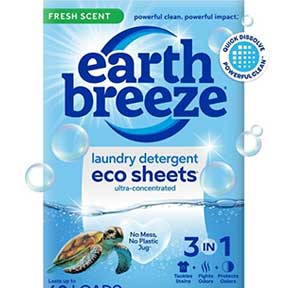
Step 3: Choose the Right Detergent
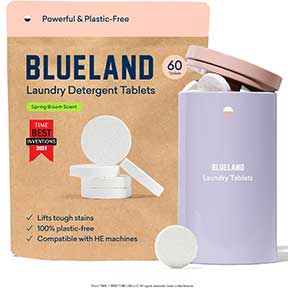
You don’t need a complicated collection of laundry products to get your clothes clean.
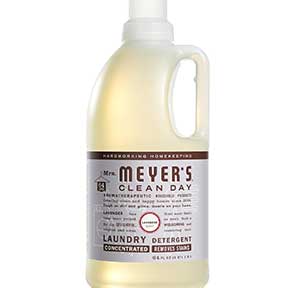
Choose a detergent that is appropriate for your washing machine and the type of laundry you’re doing. Many modern washing machines require HE detergent, which is formulated to produce less suds.
More detergent does not automatically mean cleaner clothes. Using too much can leave residue behind and make rinsing more difficult.
For more information about choosing and using detergent, see:
Laundry 101: Part 5 – Using Laundry Detergent
Step 4: Consider Your Water
Hard water can affect how laundry detergent works and can contribute to mineral buildup and dingy-looking clothing.
If you have hard water, you may need to adjust your laundry routine rather than simply adding more detergent.
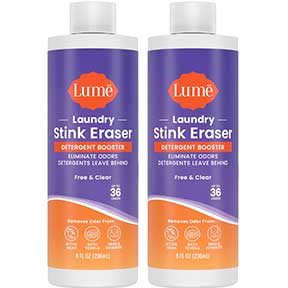
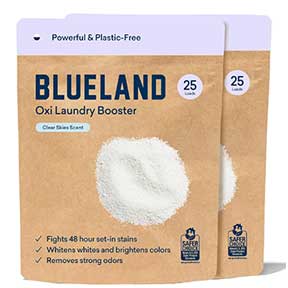
Laundry boosters and water-softening products can sometimes help, depending on your water and laundry needs.
For more information, see:
Laundry 101: Part 4 – Laundry Boosters and Water Softeners
Step 5: Choose the Wash Cycle and Temperature
Don’t automatically choose the hottest water or longest cycle.
Look at the clothing care labels and choose a wash cycle and temperature appropriate for the fabrics and level of soil.
A heavily soiled load may need a different cycle than a lightly worn load. Delicate clothing may require a gentle cycle and cooler water.
The right wash cycle is about matching the washing method to the clothing rather than assuming that more washing is always better.
For more practical washing advice, see:
Laundry 101: Part 7 – Tips for Washing Your Clothes
Step 6: Decide Whether You Need Fabric Softener
Fabric softener is optional. You don’t have to use it to get clean laundry.
Some people like the softer feel or fragrance, while others prefer not to use it. Fabric softeners can also affect the absorbency of towels and may not be appropriate for every type of fabric.
There are other ways to make laundry feel softer, depending on your washing and drying routine.
For more information, see:
Laundry 101: Part 6 – Fabric Softeners
Step 7: Wash the Clothes
Once you’ve sorted the laundry, treated stains, chosen your detergent and selected the appropriate cycle, it’s time to wash.
Don’t overload the washing machine. Clothes need room to move through the water and detergent so they can be cleaned and rinsed properly.
When the cycle is finished, remove wet clothing promptly rather than allowing it to sit in the washer for hours.
Step 8: Check the Clothes Before Drying
This is one of the easiest steps to skip.
Before putting everything into the dryer, look again at clothing that had stains or other problems.
If the stain is gone, continue with drying.
If it isn’t, set the item aside and treat it again.
Don’t assume that because a garment went through the washer, it is ready for the dryer.
Step 9: Dry Your Clothes Properly
Not everything should be dried the same way.
Check the care label and choose the appropriate dryer temperature and cycle. Some clothing can tolerate higher heat, while other items should be dried at a low temperature or air dried.
Sensor or automatic dry can be useful for many loads, while time dry may be appropriate in certain situations.
Also remember these basic dryer habits:
- Clean the lint screen before every load.
- Don’t overload the dryer.
- Give clothing room to tumble.
- Remove clothes reasonably soon after the cycle ends to help minimize wrinkles.
- Don’t put items in the dryer that are not dryer-safe.
- Make sure bulky items are completely dry before storing them.
For more information, see:
Laundry 101: Part 8 – Tips for Drying and Folding Clothes
Step 10: Fold and Put Away
Folding laundry doesn’t have to be complicated.
Find a comfortable place to fold, sort clothing into stacks for each person or room, and put the clothes away as soon as reasonably possible.
I especially like having each person’s clothing in its own stack. It makes it much easier for everyone to take responsibility for putting away their own clothes.
And yes, I learned this lesson the hard way. A stack that tips over can mysteriously result in perfectly clean clothing ending up back in the dirty laundry.
I’m still not entirely sure how that happens.
The Laundry 101 Series Road Map
If you’re looking for help with a specific laundry problem, here’s where to start:
| Laundry Question or Problem | Laundry 101 Part |
| What type of stain is this? | Part 1: Stain Types and Removal Methods |
| How do I remove a stain? | Part 2: Removing Stains |
| How do I brighten white clothing? | Part 3: Brightening Whites |
| Do I need a laundry booster or water softener? | Part 4: Laundry Boosters and Water Softeners |
| How much detergent should I use? | Part 5: Using Laundry Detergent |
| Should I use fabric softener? | Part 6: Fabric Softeners |
| How should I wash my clothes? | Part 7: Tips for Washing Your Clothes |
| How should I dry and fold laundry? | Part 8: Tips for Drying and Folding Clothes |
| Why did my laundry come out smelling bad, stiff, dingy, wrinkled, or covered in lint? | Part 9: Laundry Problems and How to Fix Them |
| Where do I start if I need help with the whole laundry process? | Part 10: The Complete Laundry Guide |
Common Laundry Mistakes to Avoid
You don’t need to make laundry complicated. In fact, some of the most common laundry problems come from doing too much rather than too little.
Don’t use more detergent than necessary.
More detergent doesn’t automatically produce cleaner clothes and can contribute to residue.
Don’t overload the washer or dryer.
Clothes need room to move. A stuffed machine can make washing and drying less effective.
Don’t automatically use the hottest water.
Use the temperature appropriate for the fabric and the care instructions.
Don’t put stained clothing straight into the dryer.
Check the stain first. If it’s still there, treat it again before adding heat.
Don’t assume everything belongs in the dryer.
Some clothing needs low heat, no heat, or air drying.
Don’t leave wet clothes sitting in the washer.
Move them to the dryer or drying area promptly to help prevent musty odors.
Don’t keep adding products when something isn’t working.
If your laundry isn’t coming clean, look for the cause. Overloading, excess detergent, hard water, improper sorting, the wrong cycle, residue buildup, or a washer that needs cleaning may be the real problem.
Laundry Troubleshooting at a Glance
Sometimes you don’t need another laundry product. You just need to figure out what changed.
| Problem | Things to Consider |
| Clothes still smell after washing | Washer buildup, overloading, detergent amount, cycle choice, leaving clothes wet too long |
| Clothes are stiff | Too much detergent, hard water, residue, over-drying |
| White clothes are dingy | Soil, residue, hard-water minerals, dye transfer, washing habits |
| Clothes have static | Over-drying, dry air, synthetic fabrics |
| Clothes are covered in lint | Lint-producing fabrics, mixed loads, dryer lint screen |
| Towels aren’t absorbent | Fabric-softener or detergent residue, buildup, improper washing |
| Clothes shrank | Heat, fabric type, washing or drying method |
| Clothes lost their shape | Heat, agitation, hanging wet knits, improper drying |
| Colors transferred | Dye transfer from another garment |
| Clothes have unexplained spots | Detergent or product residue, grease, body oils, washer buildup |
| Clothes aren’t getting clean | Overloading, detergent amount, wash cycle, water temperature, washer performance |
| Laundry smells musty | Wet clothing left sitting, washer odor or buildup |
For detailed solutions, see Laundry 101: Part 9 – Laundry Problems and How to Fix Them.
The Laundry Products You Actually Need
You don’t need a laundry room overflowing with specialty products.
For most households, the basics are enough:
- Laundry detergent appropriate for your washing machine
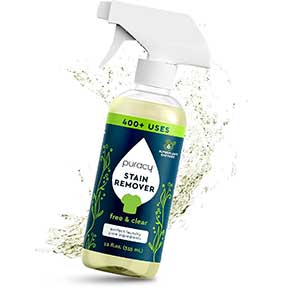
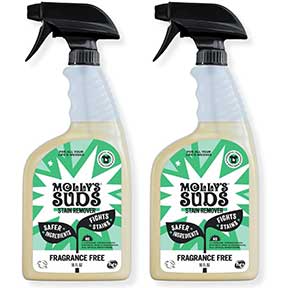
- A stain remover or a few effective stain-treatment methods
- Laundry supplies appropriate for your particular fabrics
- A place to air-dry items that shouldn’t go in the dryer
Other products, such as fabric softener, laundry boosters, and water-softening products, are choices that may be useful depending on your laundry, water and personal preferences.
The goal isn’t to use the most products. It’s to use what actually helps.
The Most Important Laundry Habit
If I had to choose one laundry habit that makes the biggest difference, it would be paying attention to your clothes before, during and after washing.
Look for stains before washing.
Choose the right products and settings.
Don’t overload the machine.
Check stained clothing before drying.
Dry clothing appropriately.
And put it away before the clean laundry mountain becomes part of the furniture.
Laundry 101: The Complete Series
This series covers the entire laundry process, from the first look at a stain to the final folded stack of clean clothes.
Part 1: Stain Types and Removal Methods
Part 2: Removing Stains
Part 3: Brightening Whites
Part 4: Laundry Boosters and Water Softeners
Part 5: Using Laundry Detergent
Part 6: Using Fabric Softeners
Part 7: Tips for Washing Your Clothes
Part 8: Tips for Drying and Folding Clothes
Part 9: Laundry Problems and How to Fix Them
Part 10: The Complete Laundry Guide
Laundry doesn’t have to be perfect. You just need a routine that works, a little knowledge about your clothes, and a willingness to figure out what went wrong when something doesn’t come out quite right.
After all, laundry is one of those household jobs that never really ends. You might as well make it as simple as possible.
Clothing and Laundry


Follow Us on Facebook