Don’t Wash in Cold Water
Things You Should Not Wash in Cold Water
When you’re sorting laundry, cold water works for a lot of fabrics – but not for everything. That’s why it helps to know exactly what you don’t wash in cold water, and this guide, will help explain the items that truly need warmer temperatures.
Some fabrics won’t get clean enough in cold water, while others can actually take damage from lower temperatures.
What You Don’t Wash in Cold Water
Below is a helpful list of the top things you should always wash in warm or hot water, along with clear explanations so you know exactly why.
Bed Sheets and Pillowcases
Cold water often isn’t powerful enough to remove body oils, sweat, and dust mites from bedding. Warm or hot water breaks down these oils more effectively and helps sanitize the fabric. Since sheets sit against your skin every night, a higher temperature ensures they actually get clean.
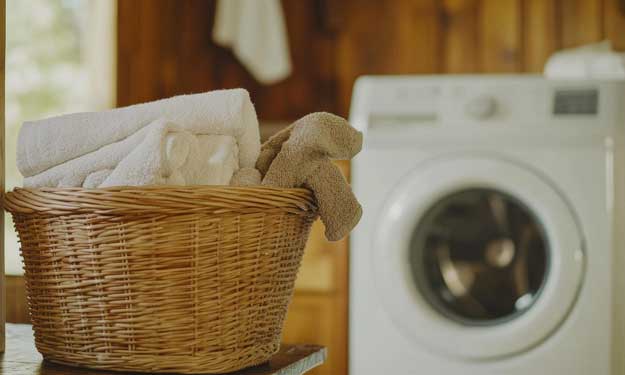
Don’t Wash in Cold Water – Towels
Towels trap moisture and bacteria, and cold water doesn’t fully remove odors or residue. Washing towels in warm or hot water helps eliminate germs, keeps them smelling fresh, and restores absorbency by dissolving detergent and fabric softener buildup.
Underwear and Socks
These items need higher heat for hygiene. Cold water doesn’t kill as many bacteria, and odors can linger. Warm or hot water ensures a deeper clean, breaks down body oils, and helps prevent fungal or bacterial issues.
Athletic Wear
While some performance fabrics prefer cooler temps, very sweaty or stained athletic wear won’t get fully clean in cold water. Sweat, body oils, and odor-causing bacteria cling tightly to synthetic fibers. A warm wash helps break down residue so the fabric actually smells clean again.
White Cotton Clothing
Cold water struggles to lift body oils and dirt from white cotton, causing clothes to look dingy over time. Warm or hot water loosens soil, helps maintain brightness, and keeps whites looking crisp.
Don’t Wash in Cold Water – Cloth Diapers
Cold water simply cannot disinfect cloth diapers. You need warm or hot water to remove waste residue, destroy germs, and prevent lingering odors. Cold washes often leave diapers smelling sour even after drying.
Kitchen Towels and Dishcloths
These absorb grease, food particles, and bacteria from raw meats. Cold water doesn’t remove grease effectively and won’t sanitize them. Hot water is necessary to break down oils and kill kitchen-related germs.
Heavily Soiled Work Clothes
Garden dirt, motor oil, grease, and industrial grime need higher temperatures to break down. Cold water tends to lock in oily stains, making them much harder to remove later.
Baby Clothes with Spit-Up or Bodily Fluids
Cold water can set protein-based stains like spit-up, formula, or diaper leaks. Warm water helps lift these stains and kill germs effectively.
Reusable Cleaning Cloths and Mop Pads
Since these fabrics pick up bacteria, oils, and cleaning product residue, cold water isn’t strong enough to get them fully clean. Warm or hot water keeps them hygienic and prevents odors from building up.
Fabric Items Used by Sick Household Members
Anything used by someone fighting a cold, flu, or stomach bug needs the sanitizing power of warm or hot water. Cold water won’t kill viruses and bacteria that linger on fabrics.
Don’t Wash in Cold Water
Cold water works well for many everyday loads but knowing what you don’t wash in cold water makes a big difference. Using warmer temperatures for the items listed helps ensure a deeper clean, better hygiene, and fabrics that look and last longer.
Clothing and Laundry


Follow Us on Facebook