Wine is one of life’s simple pleasures – until it spills on your carpet, couch, or favorite shirt. Red wine in particular is notorious for leaving stubborn marks, but even white wine and grape juice can cause spots if not cleaned quickly. Whether at a party, dinner, or a quiet evening at home, accidents happen. Luckily, removing wine stains doesn’t have to be a nightmare. With the right tools, quick action, and a few proven techniques, you can keep your fabrics and surfaces looking spotless.
The Key to Removing Wine Stains
The sooner you act, the better your chances of success. When wine is freshly spilled, it hasn’t yet set into the fibers, which makes it easier to lift. Start by blotting – never rubbing – the stain with a clean, white cloth or paper towel to absorb as much liquid as possible. From there, you can try one of the following methods depending on the material and what you have on hand.
Home Remedies for Removing Wine Stains
Sometimes the simplest solutions are the most effective. Home remedies are not only inexpensive but also use ingredients you probably already have in your kitchen. Acting fast is critical, but these tried-and-true techniques can still work on older stains with a little patience. Try one or more of the following methods based on what’s handy and the type of surface you’re treating:
Boiling Water Trick
This is a classic technique for clothing and washable fabrics:
Stretch the stained fabric over a bowl.
Pour boiling water from about 8–10 inches above to force the wine out of the fibers.
Let it drain through the bowl, then launder as usual.
For carpets or upholstery (where you can’t pour water through), dip a clean white cloth in hot water and blot gently until the stain lifts.
Salt Absorption Method
Salt works like a sponge to draw out wine:
Blot up as much wine as possible.
Sprinkle a generous amount of salt over the damp stain.
Let it sit for a few minutes to absorb the pigment.
Vacuum or brush off the salt and repeat if necessary.
Baking Soda Paste
Create a paste of baking soda and water. Spread it over the stained area, let it sit for several hours, and then rinse or launder. Baking soda both lifts the stain and neutralizes lingering odor.
White Wine for Red Wine
It sounds counterintuitive, but white wine can neutralize red wine’s pigments:
Pour a small amount of white wine directly onto the stain.
Blot gently with a clean cloth.
This method helps loosen red wine’s tannins and makes it easier to remove.
Club Soda or Sparkling Water
Pour club soda over the stain and blot with a clean towel. The carbonation helps lift the wine, while the salts reduce staining.
Dish Detergent and Hydrogen Peroxide
For tougher stubborn stains on washable fabrics or carpets:
Mix one part dishwashing liquid with two parts hydrogen peroxide.
Test in an inconspicuous spot first (especially on colored fabrics).
Apply to the stain and let it sit for several minutes.
Blot or rinse thoroughly.
Removing Wine Stains from Specific Surfaces
Not all wine stains are created equal. What works for a cotton shirt may not work for a wool rug or marble countertop. Different surfaces require slightly different care to avoid spreading the stain or damaging the material. Use the following guidance for your specific spill:
Stains on Clothes
Act quickly by rinsing with cold water.
Use the boiling water and salt method if possible.
For older stains, try hydrogen peroxide mixed with a mild detergent.
Always check the care label on delicate fabrics like silk or wool and consider professional cleaning if unsure.
Stains on Carpets and Upholstery
Blot the excess wine immediately with a white cloth or paper towel.
Pour white wine or club soda over the stain and continue blotting.
Sprinkle salt on the damp area to absorb remaining pigment.
For stubborn marks, apply the hydrogen peroxide and dish soap solution, but test on a hidden area first.
Stains on Other Surfaces
For tables, countertops, and walls:
For sealed surfaces like laminate or quartz countertops, blot the spill immediately with a cloth.
Avoid harsh abrasives that may scratch.
A paste of baking soda and water or a mild dish soap solution works for most surfaces.
For porous natural stone (like marble), avoid acidic cleaners (vinegar, lemon) and call a stone-care specialist if the stain persists.
Commercial Products for Removing Wine Stains
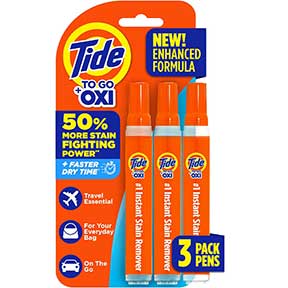
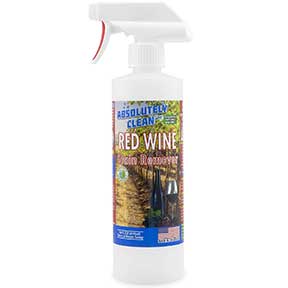
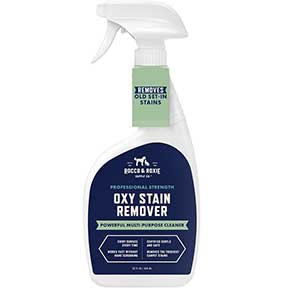
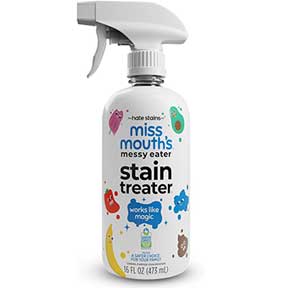
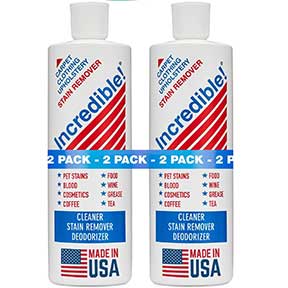
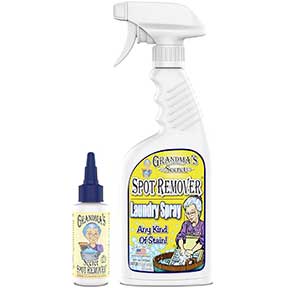
Many commercial stain removers are designed specifically for wine, such as Wine Away, Wine Magic, or similar products. Keep one on hand if you entertain often. These sprays are inexpensive, effective, and work on both fresh and dried stains.
Wine Stain Prevention: Protect Before You Spill
Prevention makes a world of difference:
Treat carpets, upholstery, and fabric chairs with Scotchgard or another fabric protector every 6–12 months. This creates a barrier so liquids bead up rather than soak in.
Use coasters and placemats at dinner parties.
Choose darker table linens or washable slipcovers if you frequently host wine-friendly gatherings.
When to Call a Professional
If you’re dealing with a valuable rug, delicate upholstery, or a stubborn old wine stain that home remedies can’t fix, a professional cleaner may be worth the investment. Many carpet cleaning companies offer special treatments for tannin-based stains like wine.
Removing Wine Stains
Spilled wine doesn’t have to ruin your evening – or your furniture. By acting quickly, using tried-and-true methods like boiling water, salt, baking soda, or even white wine, and keeping a reliable commercial remover handy, you’ll dramatically improve your chances of success. Combine these methods with a bit of prevention, and removing wine stains becomes much less stressful.