You just washed and dried your new sweater and notice a coffee stain on the sleeve. The stain is set now – might as well throw it in the trash. Well, maybe not. Tough stain removal doesn’t have to be expensive, frustrating, or complicated. With the right techniques and a little know-how, you can tackle almost any stain and save your favorite clothing, furniture, or surfaces from permanent damage.
Stain Removal Products: What Works Best
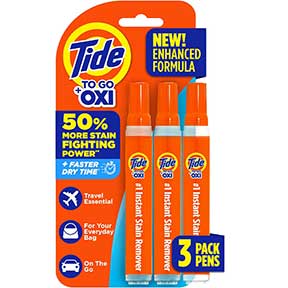
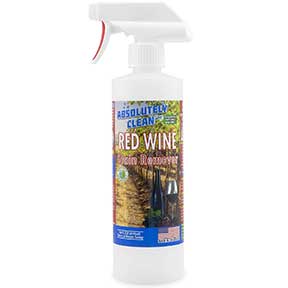
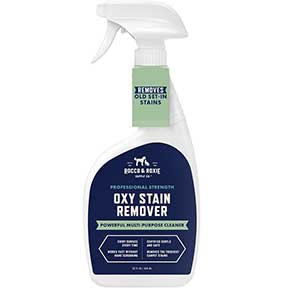
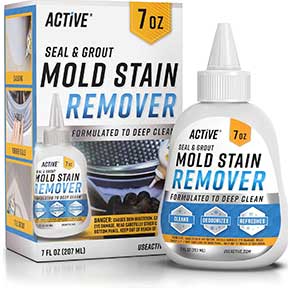
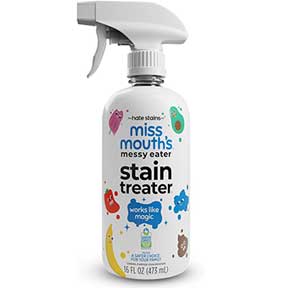
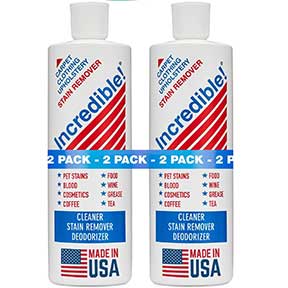
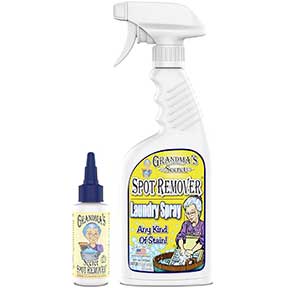
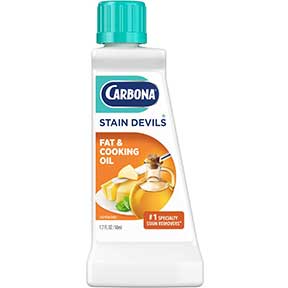
Many commercial stain removal products are big on promises and price but low on results. Surprisingly, some of the best tough stain removal solutions are already in your kitchen or bathroom. Items like white vinegar, baking soda, lemon juice, hydrogen peroxide, and liquid laundry detergent can often outperform expensive store-bought sprays and sticks.
Keep these basic supplies handy so you can act fast when spills happen. A homemade stain kit is inexpensive, eco-friendly, and often more effective than commercial options.
Fruit Stain Removal
Fruit stains, especially those from berries or cherries, can set quickly if not treated right away. The pigments in fruit juice are strong, making them one of the most stubborn marks to remove from fabrics. Acting fast can make all the difference.
How to Remove Fruit Stains
Blot, don’t rub, to remove excess juice.
Pour boiling water through the stain (for sturdy colorfast fabrics) to flush it out.
If needed, rub the stain with lemon juice or a paste of baking soda and water before laundering.
Note: Never use on delicate fabrics like silk or wool.
Blood Stain Removal
Blood is one of the most common tough stains because it’s protein-based and sets quickly. Hot water “cooks” the proteins into the fibers, so temperature control is key. Work gently and repeat as needed to avoid setting the stain further.
Blood Stain Removal
Always use cold water – hot water sets blood stains permanently.
Gently work shampoo or dish soap into the stain, then rinse.
For stubborn spots, dab with hydrogen peroxide and rinse again before washing.
Hydrogen peroxide may lighten or bleach darker fabrics. Test on a hidden area before applying.
Coffee and Tea Stain Removal
Coffee and tea contain tannins, which can leave dark marks that seem impossible to wash out. Pre-treatment is essential to break up the stain before laundering. Avoid using the dryer until the stain is gone – heat will “lock it in.”
A Good Method for Coffee or Tea Stains
Pre-treat with liquid laundry detergent or a mixture of white vinegar and water.
Wash in the hottest water safe for the fabric.
Avoid drying until the stain is completely gone – heat will “lock in” the stain.
Use the hottest water safe for the fabric according to its care label. If unsure, start with cool water and pre-treat first.
Acrylic Paint Stain Removal
Once acrylic paint dries, it can bond tightly to fabric. Solvents can break it up, but always test on a hidden area first to ensure the fabric won’t be damaged. Patience and repetition are often needed for success.
Recommended Steps
Hairspray
Rubbing alcohol
Pine cleaner
Apply the solvent, gently scrub, and repeat soaking and washing until the paint is removed.
Tough Stain Removal for Berry Stains
Berry stains can be extra tricky due to their deep natural dyes. Acting quickly and using the right products can prevent a permanent mark. Don’t skip a pre-treatment before washing.
Try This Method
Blot excess juice and rinse with cold water.
Rub with lemon juice and let it sit for 30 minutes.
Pour boiling water over the stain to flush it out (only on sturdy fabrics).
Use a pre-wash stain remover and launder as usual.
Bubble Gum Removal
Chewing gum can bond tightly to fabric fibers, making it hard to peel away. Freezing hardens the gum so it breaks off cleanly, and solvents can tackle the sticky residue.
Removing Chewing Gum
Freeze the garment (or use an ice cube) to harden the gum.
Gently scrape off the frozen gum.
Blot any remaining residue with a dry-cleaning solvent or rubbing alcohol.
Crayon and Lipstick Stain Removal
Crayons and lipsticks are waxy and oily, which makes them challenging to remove. Breaking down the wax with a solvent and using hot water plus an alkaline booster (like baking soda) can lift the stain.
Steps for Removing Crayon/Lipstick Stains
For clothing, try a dry-cleaning solvent first.
Add 1/2 cup baking soda or washing soda to the wash with detergent on the hottest safe setting.
Pre-soak if needed.
For walls or hard surfaces, use a Mr. Clean Magic Eraser (keep it wet) – it works on crayon, ink, and many other marks.
Use Magic Erasers gently and only on surfaces you’re sure are durable. They can dull glossy paint or leave marks on delicate finishes.
Ketchup and Tomato Based Stains
Tomato-based stains are acidic and full of dyes that can cling to fabric. Immediate treatment helps keep them from setting permanently.
Removing Tomato Types Sauces
Apply a stain remover or a small amount of dish soap directly to the stain.
Let it sit for 15–30 minutes.
Rinse thoroughly and launder as usual.
For tough stains, repeat before drying.
On natural stone countertops, wipe spills immediately and avoid acidic cleaners to prevent etching.
Tough Stain Removal for Crazy Glue, Krazy Glue & Super Glue
Glue stains are notorious because once cured, they form a hard plastic-like bond. Acetone-based removers can soften the glue so it can be wiped or scraped away. Always test first on a hidden spot to avoid damaging the surface.
Removal Process
Soak a paper towel or napkin in acetone nail polish remover.
Place it on the stain and cover with plastic wrap to prevent evaporation.
Weigh it down with a book or heavy object.
Check every 30 minutes and reapply if needed.
After 1–2 hours, the glue should soften and lift off completely.
This method works on counters, hard surfaces, and some fabrics, but always test before using.
Precautions
Always test any glue-removal method on an inconspicuous area first.
Quartz, granite, and other stone countertops can be damaged by acetone or harsh solvents. For these surfaces, use warm soapy water and a plastic scraper first, then try isopropyl alcohol before cautiously spot-applying acetone.
Never leave acetone or alcohol sitting on stone for long periods – wipe and rinse immediately after use.
Never leave acetone or alcohol sitting on stone, wood, or painted surfaces. Test first and wipe clean immediately after use.
Tough Stain Removal
Whether it’s coffee, fruit, blood, or even super glue, there’s usually a way to fix the mess without throwing the item away. By acting quickly, testing your products first, and using simple household items, you can handle even the most stubborn stains like a pro. With these tough stain removal tips in your back pocket, you’ll save money, protect your belongings, and keep everything looking its best.