Removing a Variety of Stains
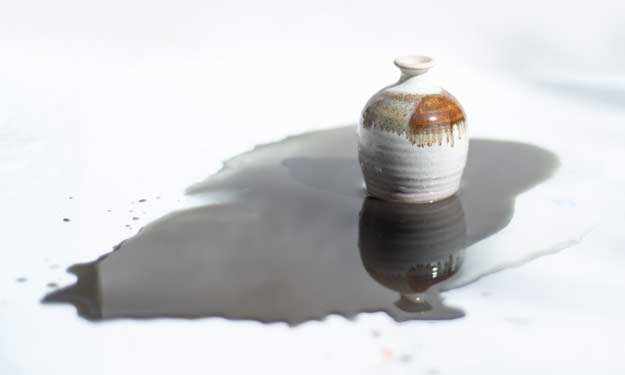
How to Clean Up Spills and Stains.
Stain Removal Tips
No matter how careful we are, spills and accidents happen. From your favorite t-shirt to a marble countertop or even your garage floor, stains are an inevitable part of life. The good news? Removing a variety of stains is entirely possible with the right techniques, products, and a little patience. Some stains are stubborn, some are simple, but nearly all can be treated effectively if you act wisely and follow proven methods. Understanding the type of stain, the surface it’s on, and the proper removal method is key to success. Below, we break down stain types, best practices, and step-by-step strategies to restore your items to their cleanest state.Understanding Stains: What and Where
A stain is essentially a colored or dirty mark that is difficult to remove. Identifying the nature of the stain is the first step in treatment. Common categories include:- Organic Stains: Blood, grass, coffee, tea, fruit, berries, leaves, bird or animal droppings, urine, and more.
- Mineral, Rust, or Metallic Stains: Rust, iron, copper, or other metal residues.
- Petroleum, Grease, or Oil-Based Stains: Cooking oil, motor oil, salad dressing, cosmetics, and grease from machinery.
- Environmental Stains: Dust, smoke, soot, mildew, or water spots.
- Water Stains: Hard water mineral deposits on sinks, tiles, and marble.
Treating Organic Stains
Organic stains come from naturally occurring sources and generally respond well to:- Hydrogen Peroxide: Great for blood, wine, or coffee stains.
- Enzymatic Cleaners: Break down proteins found in food, blood, and other organic matter.
- Ammonia: Effective for stubborn organic residues (except on delicate fabrics or marble).
- Natural Remedies: White vinegar, lemon juice, or sunlight can bleach and lift stains naturally.
Removing Stains from Marble
Marble is porous and can stain easily. Quick action is essential:- Clean the surface first, keeping it slightly damp.
- Avoid abrasive tools that can scratch.
- For organic or rust stains, use a poultice of hydrogen peroxide and baking soda or ammonia. Cover with plastic wrap for 24–48 hours, then wipe and rinse.
Tackling Ink Stains
- Blot the area with a paper towel soaked in household-strength hydrogen peroxide (6%).
- For stubborn stains, create a paste with hydrogen peroxide and baking soda (consistency of peanut butter).
- Cover with plastic wrap, tape edges, and leave for 24–48 hours.
- Remove, rinse, and dry.
Handling Rust Stains
On Marble
- Apply a hydrogen peroxide and ammonia poultice over the stain.
- Cover with plastic wrap and leave for 24 hours to 3 days depending on stain age.
- Rinse and repeat if necessary.
On Denim
- Mix 1 tsp cream of tartar, 1 tsp baking soda, and a few drops of hydrogen peroxide to form a paste.
- Apply to the stain, wait 30 minutes, rinse, and repeat if necessary.
- Wash normally, but don’t dry until the stain is gone.
Removing Grease or Oil Stains from Garage Floors
Concrete is porous and absorbs oil quickly. Treat stains promptly:- Blot excess oil with shop towels.
- Apply brake or carb cleaner, brushing with a broom.
- Cover with cat litter for a few minutes to absorb remaining oil.
- Scoop and sweep away. Repeat if necessary.
Cleaning Smoke or Dust Stains from Walls
Atmospheric dirt and smoke residue cling to walls over time:- Mix 1 cup ammonia, 1/2 cup colorless detergent, and 3 gallons warm water.
- Ventilate the room and protect your hands and clothes.
- Lay sheets on the floor, then sponge the walls from top to bottom in sections, rinsing frequently.
Removing a Variety of Stains
Stains are part of everyday life, but with knowledge and patience, removing a variety of stains is achievable. From organic spills to tough rust and grease, understanding the type of stain and the surface involved ensures your cleaning efforts succeed. Equipped with these tips, you can tackle almost any mess and keep your home, clothes, and surfaces looking their best.


Follow Us on Facebook