Mustard might be delicious on hot dogs and sandwiches, but when it lands on your favorite shirt, it’s a whole different story! If you’ve ever faced that sinking feeling after spotting a bright yellow blotch, you’re not alone. Mustard stains are notoriously stubborn because mustard – especially the classic yellow kind – contains turmeric, a natural dye that clings to fabrics. But don’t worry; with the right mustard stain removal techniques, you can save your clothes, table linens, and upholstery without breaking a sweat.
What Not to Do When Tackling Mustard Stains
Before you grab the nearest cleaner, stop! A few wrong moves can make mustard stains permanent:
Avoid ammonia – It reacts with turmeric and actually sets the stain.
Check fabric care labels – What’s safe for cotton could ruin silk, wool, or other delicate fabrics.
Skip heat until the stain is gone – Heat (including hot dryers) can set mustard stains permanently.
Test solutions first – Try your cleaner on an inconspicuous spot to avoid unexpected damage.
For dry-clean-only items, leave removal to the professionals.
Treating Fresh Mustard Stains
The quicker you act, the better your chances:
Blot, don’t rub – Use a clean paper towel or cloth to gently blot away excess mustard. Rubbing will only spread the stain deeper.
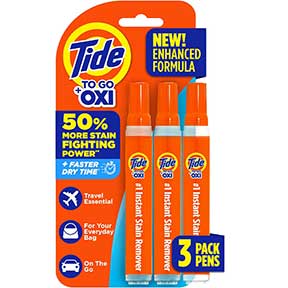
Pre-treat the stain – Apply a liquid laundry detergent, stain remover, or dish soap directly to the area.
Rinse with cold water – Flush from the back of the fabric to push the stain out rather than through.
Wash immediately – Launder according to the care label instructions and air dry until you’re sure the stain is gone.
Removing Dried or Set Mustard Stains
If you didn’t catch the stain right away, don’t panic – there’s still hope.
Scrape off the crust – Use a dull knife, credit card edge, or spatula to carefully remove any dried mustard before adding moisture.
Work from the outside in – This prevents the stain from spreading to unstained areas.
Try one of these effective methods:
Option 1 – The “Hair of the Dog” Trick
Believe it or not, sometimes a little fresh mustard helps remove old mustard. Apply a small amount of the same mustard to the stain, let it sit for about five minutes, and then treat it as if it were a fresh stain. This can reactivate the turmeric and make removal easier.
Option 2 – Dish Soap and Rubbing Alcohol
This combo breaks down oils and dyes:
Mix 3 parts liquid dish soap with 1 part rubbing alcohol.
Place a clean towel or absorbent cloth beneath the stained area.
Apply the solution and let it sit for 10 minutes (don’t let it dry).
Rinse thoroughly with cold water and launder as usual.
Option 3 – Vinegar, Water, and Dish Soap
A simple, homemade stain remover:
Mix 1/2 teaspoon dish soap, 1/2 cup water, and a few drops of white vinegar.
Apply to the stain with an absorbent cloth underneath.
Allow it to sit for several minutes, rinse well, and wash normally.
Option 4 – Enzymatic Stain Removers
If natural remedies don’t work, reach for a commercial enzymatic cleaner designed for protein-based stains. Popular options include Biz or Axion. Always:
Follow package instructions carefully.
Test on a hidden area first.
Avoid over-scrubbing delicate fabrics.
Extra Tips for Stubborn Mustard Stain Removal
For whites only – As a last resort, use a chlorine bleach solution, but rinse quickly to prevent fabric damage.
For upholstery and carpet – Blot up excess mustard, apply dish soap and water, and rinse with a damp cloth. Avoid soaking the area to prevent water stains.
Repeat if necessary – Mustard stains are often layered, so persistence pays off.
Mustard Stain Removal
Mustard stains may be tricky, but they’re not invincible. Whether you’re treating a fresh spill or battling an older blotch, these mustard stain removal techniques can save your fabrics and surfaces. Act quickly, avoid common mistakes, and use the right method for your fabric type. With a little patience, you’ll banish those stubborn yellow stains and keep your clothes, linens, and upholstery looking their best.