Food and Drink Stains
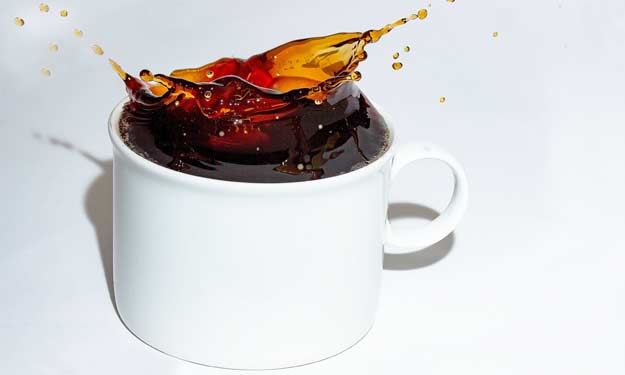
How to Remove a Variety of Food and Drink Stains from Clothing.
Removing Food and Drink Stains from Surfaces
Food and drink stains are part of everyday living, and no home escapes them for long. From coffee splashes in the car to sauce on the wall, these messes show up far beyond clothing. However, knowing how to respond quickly — and correctly — makes the difference between a temporary spill and a permanent mark. When you understand how different surfaces react to moisture, heat, and cleaners, you can treat stains without causing extra damage.
Most stain removal success comes down to three principles:
- Act quickly
- Use the right cleaner for the surface
- Avoid heat until the stain is gone
With that foundation in mind, let’s break down practical methods by stain type and surface.
First Rules for Treating Food and Drink Stains
Before focusing on specific spills, it helps to follow universal stain-removal habits. These steps prevent many common mistakes.
- Blot, don’t rub — rubbing spreads pigment and pushes stains deeper
- Work from the outside inward to avoid enlarging the stain
- Test cleaners on a hidden area first
- Avoid hot water unless the instructions say otherwise
- Air-dry fabrics before using heat
These simple habits protect fibers, finishes, and color.
Removing Drink Stains from Fabric and Upholstery
Liquid stains travel fast. Therefore, speed matters more than scrubbing.
Coffee and Tea on Carpet or Upholstery
Coffee and tea contain tannins, which bond quickly to fabric.
- Blot immediately with a clean cloth
- Mix 1 tbsp dish soap + 1 tbsp white vinegar + 2 cups water
- Blot gently until the stain fades
- Rinse with plain water
- Blot dry
Always test the mixture first to prevent discoloration.
Milk and Dairy on Car Seats
Dairy stains smell worse over time if moisture remains trapped.
- Blot excess liquid right away
- Clean with mild dish soap and warm water
- Rinse with clean water
- Dry thoroughly
Open windows or use a fan to prevent sour odor from developing.
Beer or Alcohol on Carpet
Alcohol stains often leave odor behind.
- Blot immediately
- Mix vinegar + dish soap + warm water
- Blot until stain and smell lift
- Rinse with water
- Sprinkle baking soda after drying
Baking soda absorbs lingering odor overnight.
Removing Food Stains from Clothing and Linens
Food stains often contain oils, sugars, and dyes. Each behaves differently, so pretreatment matters.
Mustard on Clothing
Mustard contains strong yellow dye that heat can permanently set.
- Scrape off excess
- Rinse from the back with cold water
- Apply liquid detergent or stain remover
- Wash normally
Never use hot water until the stain disappears.
Syrup or Honey on Linens
Sticky stains attract dirt if left untreated.
- Scrape excess gently
- Rinse warm water from the back
- Work in liquid detergent
- Let sit 5 minutes
- Wash
Soak heavily stained fabrics before laundering.
Butter and Oil on Tablecloths
Grease requires a degreasing agent, not water alone.
- Blot excess oil
- Apply dish soap directly
- Gently work into fabric
- Wash in hottest safe water
- Air-dry to confirm removal
Heat locks in leftover grease.
Removing Tomato, Berry, and Sauce Stains from Walls and Counters
Bright pigments stain quickly, especially on porous surfaces.
Tomato Sauce or Ketchup on Walls
- Wipe immediately with warm soapy water
- For tougher spots, use baking soda paste
- Rinse thoroughly
Avoid aggressive scrubbing that damages paint.
Berry Juice on Countertops
Light counters show berry pigments easily.
- Wipe immediately
- Apply baking soda paste
- Let sit 5–10 minutes
- Wipe clean
For marble or granite, use only pH-neutral stone cleaner. Acidic products can etch the surface.
Removing Grease and Wine from Hard Surfaces
Hard surfaces still require gentle care.
Grease on Countertops
- Remove excess grease
- Clean with mild dish soap or degreaser
- Rinse and dry
Avoid abrasives on natural stone.
Wine on Hardwood Floors
Liquid sitting on wood causes swelling and finish damage.
- Blot immediately
- Clean with damp cloth and wood-safe soap
- Dry at once
Never leave water standing on hardwood.
Removing Chocolate from Upholstery
Chocolate combines sugar and oil, which complicates removal.
- Scrape off excess carefully
- Mix mild soap + warm water
- Blot gently
- Rinse with plain water
- Blot dry
Rubbing spreads the stain into fibers.
Why Speed Matters with Food and Drink Stains
The longer a stain sits, the deeper it bonds to fibers and finishes. Sugars caramelize, oils oxidize, and dyes settle into porous materials. Quick action interrupts that process. Even a simple blot with water right away improves your chances of full removal later.
Stain removal doesn’t require harsh chemicals. In fact, aggressive cleaners often cause more damage than the spill itself. Gentle, targeted cleaning preserves surfaces while lifting stains effectively.
With the right habits and quick response, food and drink stains don’t have to become permanent reminders of everyday accidents. Acting fast, choosing surface-safe cleaners, and treating stains methodically protects your fabrics, floors, and furniture. Keep these methods in mind, and you’ll handle food and drink stains with confidence instead of frustration.
Related Articles
Guide for Removing Stains from a Variety of Fabrics
5 Common Stains and How to Remove Them


Follow Us on Facebook