Junk Drawers
Are Junk Drawers Worth Having?
We’ve always had a junk drawers in the kitchen but they get a bad reputation. When they’re used intentionally, they can be one of the most practical storage spots in the kitchen.
The key is understanding what actually belongs there and why. When they are well managed, they serve as a home for small, frequently needed items that don’t fit neatly anywhere else but still deserve easy access.
Everyday Problem Solvers That Belong in Junk Drawers
These are the items you reach for often but don’t want cluttering your countertops. Keeping them close saves time and keeps your kitchen looking tidy while still being functional.
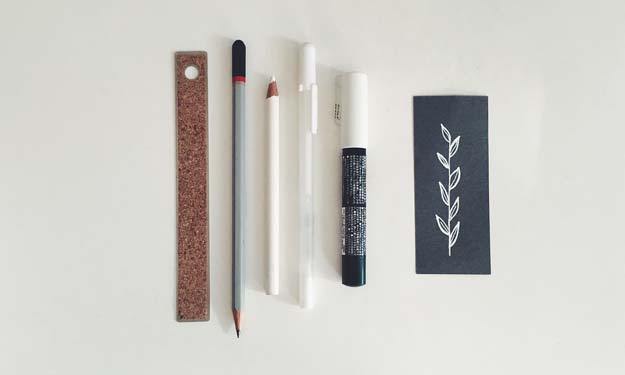
- Pens, pencils, and a permanent marker
- Notepads or sticky notes
- Rubber bands and paper clips
- Scissors
These tools support quick tasks like writing grocery reminders, labeling leftovers, or opening packages without having to leave the kitchen.
Small Household Tools That Make Sense in Junk Drawers
These items work well for compact tools that are used occasionally but shouldn’t be buried in a garage or toolbox. Their size and frequency of use make them ideal kitchen drawer residents.
- Tape (clear or painter’s tape)
- Measuring tape
- Small screwdriver
- Small flashlight
Having these tools nearby helps with quick fixes, measuring cabinet space, or handling minor repairs without disrupting your routine.
Kitchen Odds and Ends Worth Keeping in Junk Drawers
Some kitchen related items don’t belong in utensil organizers or pantry bins, yet they’re still essential. Junk drawers offer a convenient home for these loose but useful items.
- Chip clips
- Twist ties
- Takeout menus
Storing these here keeps them accessible without letting them scatter across drawers and countertops.
Personal Items That Are Handy to Store in Junk Drawers
The kitchen is often a central gathering space, so it makes sense to keep a few personal or daily use items within reach and these drawers can handle these items without creating visual clutter.
- Lip balm or hand lotion
- Reading glasses
- Phone charger or spare charging cable
- Keys you use frequently
These items stay easy to find while staying out of sight.
Items That Should Not Go in Junk Drawers
While junk drawers are meant to hold a variety of small, useful items, not everything belongs there. Certain items can create safety issues, contribute to clutter, or simply make the drawer harder to manage over time.
Important Paperwork or Documents
Bills, warranties, and personal documents can easily get damaged, lost, or overlooked. These items deserve a dedicated, clearly labeled storage spot.
Batteries Without Packaging
Loose batteries can leak, corrode, or short-circuit when they come into contact with metal objects. Store them in a proper battery organizer instead.
Sharp or Hazardous Items
Loose razor blades, utility knife refills, light bulbs, or exposed needles increase the risk of injury. These items should be stored safely in protective cases or designated tool storage.
Food Items or Snacks
Even sealed food can attract pests or become forgotten and expired, keep them food-free to maintain cleanliness and avoid contamination.
Items You Never Use
If something hasn’t been used in months and doesn’t serve a clear purpose, it doesn’t belong. Keeping rarely used items defeats the purpose of quick-access storage.
Keeping these items out of junk drawers helps maintain order, improves safety, and ensures the drawer stays functional instead of becoming a hidden problem area.
How Often You Should Clean Out Junk Drawers
Even the most organized junk drawers need regular attention to stay useful. Because these drawers collect small, miscellaneous items, they’re especially prone to becoming cluttered without notice. A good rule of thumb is to go through junk drawers every 3 to 4 months.
During a clean out, remove anything broken, or no longer used, and relocate items that have slowly migrated there without purpose. This quick reset prevents overstuffing, makes frequently used items easier to find, and keeps the drawer functioning as a helpful storage space rather than a catch all – for junk. A few minutes of maintenance ensures your junk drawers remain practical instead of overwhelming.
Why Junk Drawers Matter
A junk drawer should never feel like a dumping ground. When you’re intentional about what goes into it, you reduce daily frustration, save time, and prevent clutter from spreading throughout the kitchen.
Organized junk drawers create a balance between convenience and order, proving that a little planning can turn even the most misunderstood drawer into a highly functional space.
Kitchen Accessories

Follow Us on Facebook