Using a Magic Eraser
Using a Magic Eraser the Right Way to Clean Smarter
Using a magic eraser can feel almost miraculous the first time you watch stubborn marks disappear with just a little water and gentle pressure. These foam cleaning pads are popular because they tackle grime that ordinary sponges leave behind.
However, while they’re powerful, they aren’t foolproof. Knowing where, how, and how not to use them makes all the difference between effortless cleaning and accidental damage.
What a Magic Eraser Actually Does
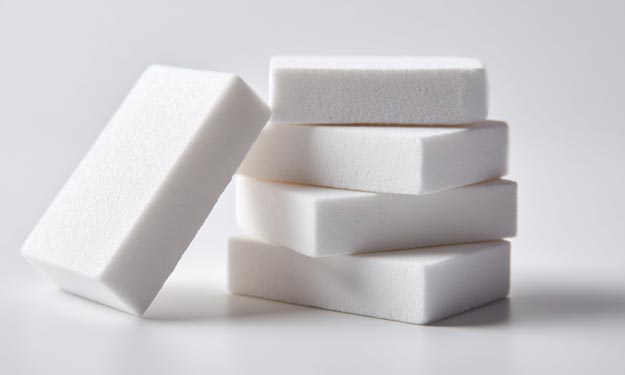
A magic eraser isn’t a chemical cleaner – it’s a melamine foam that works like extremely fine sandpaper. When dampened, it gently abrades dirt, scuffs, and buildup from surfaces.
Because of this abrasive action:
- It removes grime mechanically, not chemically
- It works best on hard, durable surfaces
- It can damage delicate finishes if misused
Understanding this is essential before using a magic eraser anywhere in your home, car, or outdoor spaces.
Using a Magic Eraser the Correct Way
Before tackling stains, it’s important to use a magic eraser properly to avoid unnecessary wear or surface damage. A little technique goes a long way.
Best Practices for Safe Use
- Lightly dampen the eraser – never soak it
- Test on a small, hidden area first
- Use gentle pressure; let the eraser do the work
- Rinse the surface after cleaning to remove residue
- Replace the eraser once it starts crumbling
Over-scrubbing won’t clean faster – it only increases the risk of scratches or dull spots.
Using a Magic Eraser Around the House
When used correctly, magic erasers shine in high touch and high grime areas throughout the home. These are places where buildup accumulates but surfaces are sturdy enough to handle gentle abrasion.
Common Indoor Uses Include
- Removing scuff marks from walls, baseboards, doors, and some floors (like laminate used carefully and with light pressure)
- Cleaning light switches and outlet covers
- Lifting grime from sneakers’ rubber soles
- Tackling soap scum on shower doors and tubs
- Removing crayon or marker from hard surfaces
Avoid painted surfaces with a high gloss finish unless you test first – magic erasers can dull the shine.
Using a Magic Eraser in the Kitchen
Kitchens collect grease, fingerprints, and stubborn residue that normal wiping can’t remove. A magic eraser can help, but caution is especially important here.
Safe Kitchen Uses
- Cleaning fingerprints from some appliances like a hand mixer (avoid stainless steel)
- Removing marks from cabinet doors (laminate only and carefully)
- Tackling grime on backsplashes
- Cleaning refrigerator handles and trim (plastic only and carefully)
- Cleaning stuck on food from the inside of a microwave
- Removing coffee stains from mugs
Never Use a Magic Eraser on These Kitchen Surfaces
- Polished stone countertops (granite, marble, quartz)
- Nonstick cookware
- Glossy cabinet finishes
- Stainless steel appliances
The abrasive texture can scratch and cause permanently damage to protective coatings.
Using a Magic Eraser in the Bathroom
Bathrooms are one of the most effective places for using a magic eraser – soap scum and mineral buildup respond well to gentle abrasion.
Effective Bathroom Applications
- Removing soap residue from sinks and tubs
- Cleaning grout haze on tile (not deep grout cleaning)
- Cleaning toilet bases and porcelain surfaces
Always rinse thoroughly, especially on surfaces that come into contact with skin.
Using a Magic Eraser in the Car
Magic erasers are popular for car interiors, but they require extra care. Automotive surfaces are often coated or treated.
Safer Car Uses
- Cleaning rubber floor mats
- Removing scuffs from some hard plastic door sills (carefully test first)
- Cleaning hard plastic trim (test first and use light pressure)
Avoid Using Magic Erasers on These Car Surfaces
- Leather or fabric upholstery
- Dashboard displays
- Glossy interior panels
- Car paint or clear coat
Improper use can strip protective layers, leading to fading or cracking.
What Happens If You Use a Magic Eraser Incorrectly?
Because magic erasers are abrasive, misuse can cause long term damage that isn’t always obvious right away.
Common Problems Caused by Improper Use
- Dull or faded paint
- Scratches on stainless steel
- Remove protective coatings
- Cloudy or etched glass
- Uneven sheen on finished surfaces
- Permanent damage
Once damage occurs, it’s often irreversible – making careful use essential.
Surfaces You Should Never Clean with a Magic Eraser
Some materials are simply too delicate to handle abrasion, no matter how light.
Always Avoid Using a Magic Eraser on These Surfaces
- Natural stone (marble, granite, travertine)
- Polished wood or wood floors
- High-gloss paint
- TV and computer screens or touch displays (such as phones and tablets and the like)
- Soft plastics or acrylic
When in doubt, choose a non-abrasive cleaner instead.
Avoid Using on Heat-Sensitive or Soft Surfaces
Melamine foam creates friction. On softer or heat sensitive materials, that friction can cause distortion or dulling.
- Soft plastics
- Acrylic surfaces
- Thin laminates
- Vinyl with a soft wear layer
If a surface dents easily with a fingernail, a magic eraser is not a good choice.
Do Not Use with Added Cleaners or Chemicals
Magic erasers are designed to work with water alone.
- Adding cleaners increases abrasion
- Some chemicals weaken the foam and spread residue
- Mixing products can leave streaks or damage finishes
Using a magic eraser dry or paired with chemicals defeats its intended design.
Be Careful Around Edges, Corners, and Seams
These areas wear faster than flat surfaces.
- Laminate seams
- Cabinet edges
- Trim corners
- Appliance handles
A few extra passes here can remove protective coatings more quickly than expected.
Never Use on Surfaces with Protective Coatings
Many household items rely on thin protective layers that can be stripped away.
Examples include:
- Nonstick coatings
- Clear-coated metals
- Treated wood surfaces
- Automotive clear coat
Once removed, these coatings cannot be restored through cleaning.
Stop Immediately if the Surface Changes
Visual cues matter.
- Dull spots
- Color fading
- Uneven sheen
- White haze
These are signs the surface is being worn, not cleaned.
Avoid Extended Scrubbing in One Spot
Magic erasers work best with light, brief contact.
- Long scrubbing sessions increase surface wear
- Repeated use in the same area can create visible patches
- Overuse shortens the life of the eraser and the surface
Short, controlled passes are always safer than aggressive cleaning.
Use Gloves for Extended Cleaning
This is a lesser known but useful precaution.
- Melamine foam can irritate sensitive skin
- Fine particles may dry out hands
- Gloves add grip and control
This is especially helpful during larger cleaning jobs.
Keep Away from Children and Pets
Magic erasers are not toys.
- They can break apart when chewed
- Small pieces pose a choking risk
- The abrasive texture can irritate mouths or skin
Store them like any other cleaning tool.
Using a Magic Eraser on Outdoor Surfaces
Outdoor surfaces collect a different kind of grime than indoor areas – dust, pollen, mildew, scuffs, and weather related buildup. Using a magic eraser outside can be effective, but only on the right materials and with careful technique, since sun exposure already weakens many finishes.
Best Outdoor Surfaces for Using a Magic Eraser
Magic erasers work best on hard, uncoated materials that can tolerate light abrasion.
Safer Outdoor Applications Include
- Vinyl siding (spot cleaning only)
- Plastic patio furniture
- Composite decking (test first)
- Outdoor trash cans
- Mailboxes (painted metal with caution)
- Garden tools with plastic or rubber handles
Always rinse thoroughly after cleaning to remove residue and loosened grime.
Outdoor Surfaces That Require Extra Caution
Many outdoor items look durable but have thin coatings or weathered finishes that can be damaged easily.
Use Extreme Care or Avoid Entirely
- Painted wood
- Stucco
- Sealed concrete
- Outdoor tile with a glazed finish
- Powder-coated metals
- Fiberglass doors
Sun exposure can make these surfaces more fragile, increasing the risk of dulling or patchiness.
How to Safely Clean Outdoor Surfaces
Outdoor cleaning should be gentle and controlled.
- Lightly dampen the magic eraser
- Use minimal pressure and short strokes
- Clean small sections at a time
- Rinse the area with clean water immediately
- Allow surfaces to air dry
Avoid scrubbing large areas – magic erasers are best for spot treatment, not full surface cleaning.
What Not to Use a Magic Eraser on Outdoors
Some outdoor materials should never be cleaned with abrasion.
Avoid Using a Magic Eraser on These Outdoor Surfaces
- Natural stone (flagstone, slate, granite)
- Decorative concrete finishes
- Painted signs or lettering
- Vehicle exteriors, RVs, or boats
- Solar panels or glass coatings
These surfaces rely on protective layers that can be permanently altered.
Outdoor Cleaning Tip
If a stain doesn’t fade within a few light passes, stop. Outdoor stains are often deep or weather-set, and continued scrubbing is more likely to cause visible wear than improvement.
Why Outdoor Use Requires Extra Care
Using a magic eraser outdoors can be helpful for spot cleaning, but exposure to sun, moisture, and temperature changes already stresses materials. Gentle, limited use preserves both appearance and longevity – making caution just as important outside as it is indoors.
Using a Magic Eraser Can be Effective
Using a magic eraser can be a powerful cleaning shortcut when you understand how it works and where it belongs. These tools aren’t meant for every surface, but when used gently and intentionally, they can save time and effort on some of the toughest household messes both indoors and outdoors.
By respecting their abrasive nature and using them selectively, you’ll get the best results without risking damage which makes using a magic eraser a smart addition to your cleaning routine rather than a costly mistake.


Follow Us on Facebook