
Lightening the Load of Housecleaning
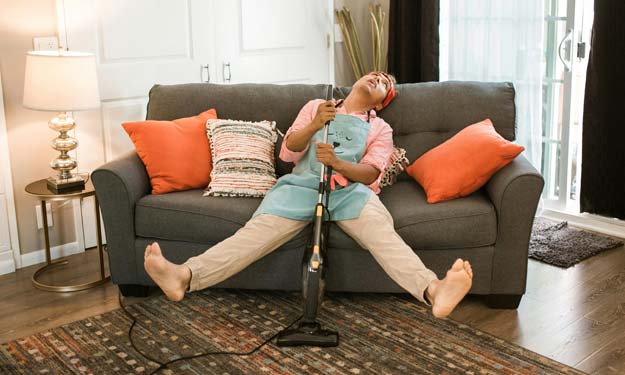
Why Cleaning Your House Can Feel Mentally Exhausting
For many people, lightening the load of housecleaning is not just about saving time or having a cleaner home—it’s about reducing stress, mental fatigue, and the constant feeling that there is always something left to do. House cleaning is physical work, but it also creates a hidden mental load. Remembering chores, noticing clutter, planning what needs attention next, and feeling responsible for the condition of the home can quietly wear people down over time.
A clean home can absolutely improve comfort and peace of mind, but trying to maintain perfection every day often has the opposite effect. The good news is that many of the habits that make cleaning feel overwhelming can be adjusted. Small changes in mindset, routines, and expectations can make maintaining a home feel much more manageable.
Why House Cleaning Feels Mentally Draining
Cleaning is rarely just “cleaning.” It usually involves:
- Constant decision-making
- Remembering unfinished tasks
- Managing schedules
- Organizing clutter
- Multitasking
- Feeling interrupted
- Repeating the same chores daily
Unlike many jobs, housework often has no true finish line. Dishes return. Floors get dirty again. Laundry piles up almost immediately. That repetition can create mental exhaustion, especially when people feel like they are always cleaning but never fully caught up.
For parents, pet owners, busy professionals, or caregivers, the mental load becomes even heavier because cleaning is often layered on top of other responsibilities.
Signs You May Need to Start Lightening the Load of Housecleaning
Sometimes we don’t realize how much stress our cleaning habits are creating until we start feeling burned out. A few common signs include:
- Feeling anxious when the house is messy
- Avoiding cleaning because it feels overwhelming
- Cleaning constantly but never feeling finished
- Resenting household chores
- Spending entire days “catching up”
- Feeling guilty when resting
- Becoming frustrated with family members over clutter
Many people accidentally create unrealistic standards, especially after seeing highly edited homes online or productivity advice that does not match real life.
What You Might Be Doing That Adds to the Stress
Trying to Clean the Entire House at Once
One of the biggest mistakes people make is treating cleaning like an all-day event. Waiting until everything needs attention creates mental pressure before you even begin.
Instead of marathon cleaning sessions:
- Clean in smaller sections
- Focus on one room at a time
- Rotate deeper cleaning tasks weekly
- Accept that not every area needs attention every day
A home usually feels cleaner through consistency, not perfection.
Lightening the Load of Housecleaning with Simpler Routines
Complex cleaning schedules can sometimes create more stress than they solve. If your routine feels exhausting, it may be too detailed or unrealistic for your lifestyle.
A simpler system often works better:
- Daily essentials
- Weekly maintenance
- Monthly deep cleaning
For example:
Daily Tasks
- Dishes
- Kitchen wipe-down
- Quick floor sweep
- Laundry management
- Trash check
Weekly Tasks
- Vacuuming
- Bathroom cleaning
- Dusting
- Bedding changes
Monthly or Occasional Tasks
- Baseboards
- Ceiling fans
- Appliance cleaning
- Window tracks
Not everything needs constant attention.
Stop Treating Every Cleaning Task as Urgent
Some chores truly matter for hygiene and health. Others are mostly cosmetic.
For example:
- Dirty dishes should not sit for long
- Bathroom sanitation matters
- Pet accidents need immediate attention
But:
- A few unfolded towels
- Toys in the corner
- Shoes near the door
- A little dust between cleanings
…do not mean your home is failing.
Knowing the difference between “needs attention” and “needs perfection” can dramatically reduce mental strain.
Reduce Clutter to Reduce Mental Fatigue
Clutter increases visual stress and creates extra work because items must constantly be moved before surfaces can actually be cleaned.
One reason cleaning feels endless is because many people are cleaning around too much stuff.
Try asking:
- Do I use this regularly?
- Would I buy this again today?
- Does this item make cleaning harder?
- Is this creating extra work for me?
Even reducing clutter by 10–20% can noticeably lighten daily cleaning demands.
Share the Responsibility
In many households, one person becomes the “manager” of cleaning, even if others occasionally help. That mental responsibility can become exhausting.
Instead of assigning random chores only when things get messy:
- Create consistent responsibilities
- Make expectations clear
- Teach children age-appropriate cleaning habits
- Focus on teamwork rather than perfection
Even small contributions from others can significantly reduce the mental burden.
Avoid “Cleaning While Angry”
Sometimes we wait until frustration builds before cleaning. This often turns chores into punishment rather than maintenance.
Cleaning tends to feel easier when:
- Music is playing
- The workload is smaller
- Tasks are shorter
- The environment feels calm
- Cleaning is done regularly instead of reactively
A 15-minute reset each evening is usually easier mentally than a six-hour stress-cleaning session once a week.
Give Yourself Permission to Use Shortcuts
There is nothing wrong with making cleaning easier.
Helpful shortcuts may include:
- Keeping basic supplies in multiple rooms
- Using washable mop pads
- Running the dishwasher more often
- Using baskets for quick pickup
- Choosing easier-to-clean materials when possible
- Letting some nonessential tasks wait
Efficiency is not laziness. It is sustainability.
Your Home Should Work for You
Sometimes we unknowingly create homes that are difficult to maintain:
- Too many decorative items
- Open shelving that collects dust
- Excess laundry
- Complicated storage systems
- Cleaning products that are hard to access
If cleaning feels overwhelming every single week, the issue may not be motivation—it may be that your systems are working against you.
Simple homes are usually easier to maintain because they require less constant effort.
Rest Is Part of Maintaining a Home Too
Many people feel guilty relaxing when chores remain unfinished. But the reality is that homes are lived in spaces, not permanent showroom displays.
There will almost always be:
- Another load of laundry
- Another dish
- Another surface to wipe
- Another room to organize
That does not mean you have to spend every free moment cleaning.
Sometimes the healthiest thing you can do is allow “good enough” to truly be good enough.
Lightening the Load of Housecleaning
At its core, lightening the load of housecleaning is about creating a home that supports your life instead of controlling it. Cleaning should help your home feel comfortable, healthy, and functional—not become a constant source of stress or exhaustion. By simplifying routines, lowering unrealistic expectations, reducing clutter, sharing responsibilities, and focusing on consistency instead of perfection, house cleaning can become far more manageable both physically and mentally.
Related Articles
A simple housecleaning checklist can help create structure, consistency, and a little more peace of mind.











Follow Us on Facebook