Improving Indoor Air Quality

Improving The Air Quality in Your Home
Improving Indoor Air Quality is one of the most important—and often overlooked—parts of maintaining a clean, healthy home. The air inside your house can contain dust, pet dander, mold spores, and even invisible chemicals from everyday products. Since most people spend a large portion of their time indoors, taking steps to improve the air you breathe can make a noticeable difference in comfort, health, and overall cleanliness.
Why Improving Indoor Air Quality Matters
Indoor air can sometimes be more polluted than outdoor air, especially in tightly sealed homes. Poor air quality can lead to:
- Allergy flare-ups
- Respiratory irritation
- Headaches and fatigue
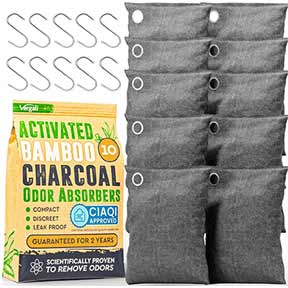
- Lingering odors
- Increased dust buildup
If you’ve ever cleaned a room only to have it feel stuffy again quickly, air quality may be the missing piece.
How to Improve Indoor Air Quality
Below are some ways to improve the quality of air in your home:
Better Ventilation
One of the easiest ways to improve air quality is simply letting fresh air in.
- Open windows when weather allows
- Use exhaust fans in bathrooms and kitchens
- Run ceiling fans to keep air circulating
- Crack a window while cleaning to remove fumes
Even a few minutes of airflow each day can help reduce trapped pollutants and moisture.
Controlling Dust
Dust is one of the biggest contributors to poor indoor air.
To reduce it:
- Dust surfaces regularly using a damp cloth (not dry dusting)
- Vacuum carpets and rugs at least weekly
- Use a vacuum with a HEPA filter if possible
- Wash bedding and curtains regularly
Less dust in your home means fewer particles floating in the air.
Proper Humidity Levels
Humidity plays a big role in air quality.
- Too much moisture can lead to mold and mildew
- Too little can cause dryness and irritation
Aim for indoor humidity between 30–50%.
Helpful tips:
- Use a dehumidifier in damp areas
- Fix leaks promptly
- Run bathroom fans after showers
- Avoid overwatering indoor plants
Balanced humidity helps prevent both mold growth and airborne irritants.
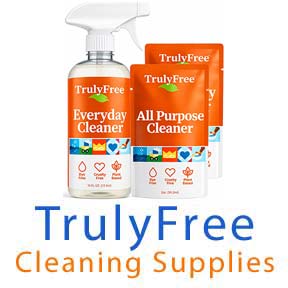
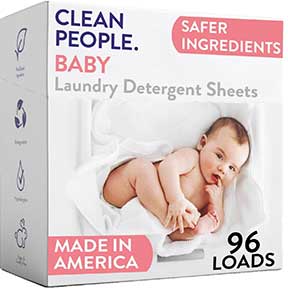
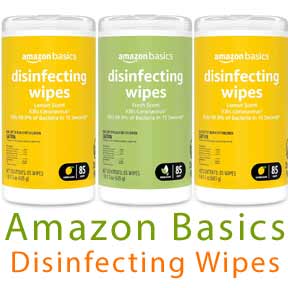
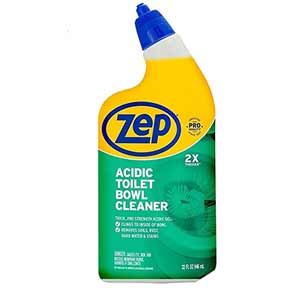
Choosing Safer Cleaning Products
Many cleaning products release strong fumes that linger in the air.
To reduce exposure:
- Avoid mixing harsh chemicals (especially bleach and ammonia)
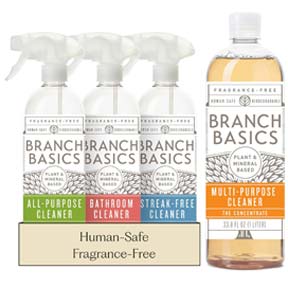
- Use mild or fragrance-free cleaners when possible
- Limit aerosol sprays
- Ventilate well while cleaning
You don’t have to sacrifice cleanliness—just be mindful of what goes into the air.
Air Filtration
Air filters can make a noticeable difference, especially in homes with pets or allergies.
Options include:
- HVAC filters (change every 1–3 months)
- Portable air purifiers
- HEPA filters for better particle capture
Even upgrading your existing HVAC filter can significantly reduce airborne dust and allergens.
High-Traffic Areas
Some areas of your home collect more pollutants than others.
Focus on:
- Entryways (use doormats to trap dirt)
- Living rooms (frequent dusting and vacuuming)
- Bedrooms (clean bedding and reduce clutter)
- Kitchens (ventilation and grease control)
Targeting these spaces helps reduce the overall load of airborne particles.
Small Daily Habits That Make a Big Difference
Improving air quality doesn’t have to be complicated. A few simple habits go a long way:
- Take shoes off at the door
- Empty trash regularly
- Keep pet areas clean
- Avoid smoking indoors
- Wipe down surfaces instead of dry dusting
Consistency matters more than perfection.
Improving Indoor Air Quality
Improving Indoor Air Quality doesn’t require expensive equipment or a complete home overhaul—just a combination of smart cleaning habits, proper ventilation, and mindful product use. By making a few simple changes, you can create a fresher, healthier environment for you and your family, and make all your other cleaning efforts even more effective.
Household Cleaners


Follow Us on Facebook