Essential Areas to Clean Daily

Things in the Home You Should Clean Every Day
Keeping your home clean doesn’t always require deep scrubbing or marathon cleaning sessions. A few small daily habits can make a big difference in preventing bacteria buildup, keeping your home fresh, and reducing the workload later. That’s where a handful of essential areas to clean daily come in – areas that truly benefit from quick attention every single day.
Why Some Places Need Daily Cleaning
Certain spots are naturally high-traffic, high-touch, or exposed to moisture and food. These conditions allow bacteria, odors, grime, and even pests to build up quickly. A daily wipe-down prevents contamination, keeps surfaces looking clean, and makes weekly cleaning much easier.
Below are the most important areas to tackle each day – not deep cleaning, just small, consistent maintenance. Because each job only takes a minute or two, they’re easy for everyone in the family to pitch in and handle.
1. High-Touch Surfaces
Light switches, door handles, appliance handles, and faucet knobs fall into this category.
Why They Matter
- Everyone touches them multiple times a day.
- They transfer germs easily, especially during cold and flu seasons.
- Oils and dirt from hands build up fast.
Quick Daily Routine
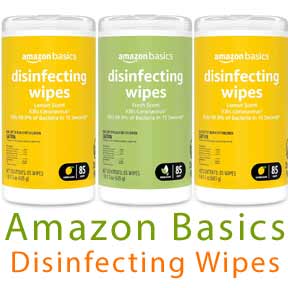
- Use a disinfecting wipe or a cloth with all-purpose cleaner.
- Focus on the areas used the most: bathroom door handles, fridge handles, and faucets.
A few seconds per spot helps prevent germ spread throughout the house.
2. Kitchen Counters
These surfaces are constantly exposed to food, crumbs, and spills.
Why They Matter
- Food residue – especially from raw meat or produce – can harbor harmful bacteria.
- Sticky spots attract ants and create stains if left too long.
- Counters often become “drop zones” for keys, mail, devices, and hands.
Quick Daily Routine
- Clear counters of clutter.
- Wipe with an all-purpose cleaner or mild disinfectant.
- Pay attention to corners, seams, and around appliances where crumbs hide.
A clean counter instantly makes the kitchen feel tidier.
3. Kitchen Sink
The kitchen sink is one of the germiest places in the home.
Why It Matters
- Food particles, dishwater, and wet surfaces create a breeding ground for bacteria.
- The drain and stopper collect hidden grime.
- Dirty sinks contribute to lingering kitchen odors.
Quick Daily Routine
- Rinse out the sink after dishwashing.
- Scrub lightly with a sponge or brush and dish soap.
- Wipe around the faucet and handles to remove splashes and water spots.
Ending the day with a clean sink keeps the entire kitchen fresher.
4. Sponges and Dishcloths
These items absorb moisture and food particles – two things bacteria love.
Why They Matter
- They are often the dirtiest items in the kitchen.
- Sponges stay damp, which encourages bacteria growth.
- Dishcloths hold onto grease and odors quickly.
Quick Daily Routine
- Rinse and wring out fully after each use.
- Let air-dry instead of leaving them in the sink.
- Replace dishcloths daily.
- Sanitize sponges in the microwave for 1 minute (damp sponge, no metal).
Small steps help keep cleaning tools from spreading germs.
5. Dining Table
Eating surfaces need more than an occasional wipe.
Why It Matters
- Crumbs and sticky residue collect quickly.
- Food leftovers attract ants and fruit flies.
- Children’s crafts, homework, and hands add even more germs.
Quick Daily Routine
- Brush away crumbs.
- Wipe with a mild cleaner or warm soapy water.
- Clean placemats if used, or shake them out.
A clean table keeps meals pleasant and reduces mess around the home.
6. Bathroom Sink and Faucet
Water, toothpaste, and soap residue build up here rapidly.
Why It Matters
- Toothpaste splatter dries into stubborn spots.
- Faucets become germ hot-spots since touched before hands are clean.
- Water drips create mineral deposits over time.
Quick Daily Routine
- Wipe the sink bowl, faucet, and surrounding counter.
- Remove hair, toothpaste, and splashes.
- Give the faucet handles a quick disinfecting wipe.
Daily attention keeps the bathroom looking company-ready.
7. Toilet Handle and Seat
This isn’t a full toilet cleaning – just the high-touch areas.
Why They Matter
- The handle is touched before and after using the toilet.
- The seat accumulates bacteria, dust, and occasional drips.
- Quick cleaning reduces the transfer of germs.
Quick Daily Routine
- Use a disinfecting wipe on the handle, seat top, and seat underside.
- Two minutes makes a big impact on hygiene.
8. Pet Food and Water Areas
Pets can be messy eaters, and their bowls collect bacteria just like ours do.
Why They Matter
- Wet food residue spoils quickly.
- Slobber and water drips create slime and mildew.
- Food crumbs attract pests.
Quick Daily Routine
- Wash food and water bowls daily.
- Wipe around the feeding mat or floor area.
- Dry bowls to prevent slimy buildup.
This keeps your pet’s space sanitary and odor-free.
9. Kitchen Floor Spots
Not a full mop – just quick maintenance.
Why It Matters
- Spills get sticky fast.
- Crumbs invite bugs.
- Wet spots spread dirt across the floor.
Quick Daily Routine
- Spot clean spills with a damp cloth or mop pad.
- Sweep visible crumbs near prep areas.
Even 30 seconds makes tomorrow’s floor cleaning easier.
10. Hand Towels
Kitchen and bathroom hand towels soak up moisture and germs all day.
Why They Matter
- Wet fabric grows bacteria rapidly.
- Kitchen towels especially collect food residue.
- Fresh towels prevent odors and contamination.
Quick Daily Routine
- Replace with clean towels each day or every other day.
- Hang them fully open to dry between uses.
Clean towels instantly make a room feel fresher.
Essential Areas to Clean Daily Final Thoughts
Daily cleaning doesn’t need to be overwhelming – focusing on a few key essential areas to clean daily helps maintain a healthier, fresher, and more manageable home. These quick habits reduce bacteria, minimize odors, and keep small messes from turning into big jobs later.


Follow Us on Facebook