Pets & Cleaning Products

Household Cleaning Products & Your Pets Safety
Keeping your home clean is important, but it should never come at the expense of your furry family members. Many common household cleaners contain chemicals that can be harmful if pets walk through them, lick surfaces, or inhale strong fumes. Understanding the relationship between pets and cleaning products helps you make safer choices while still maintaining a clean and healthy home.
A few small adjustments – like choosing pet-friendly cleaners, rinsing surfaces thoroughly, and avoiding certain ingredients – can go a long way toward protecting your pets.
Below are some common cleaning mistakes that can put pets at risk and simple ways to avoid them.
Pets & Cleaning Products: Overusing Strong Chemical Cleaners
Many people assume stronger cleaners mean a cleaner home. However, products containing harsh chemicals such as ammonia, chlorine bleach, or strong disinfectants can irritate a pet’s skin, lungs, and digestive system if they are exposed.
Pets are especially vulnerable because they spend more time close to the floor, where cleaning residues often remain.
How to Avoid
- Use pet-friendly cleaning products whenever possible.
- Choose mild soap and warm water for everyday cleaning.
- Consider simple alternatives like:
- diluted vinegar for glass and hard surfaces
- baking soda for deodorizing
- mild dish soap for general cleaning
- Always rinse surfaces well after using stronger cleaners.
Pets & Cleaning Products: Leaving Residue on Floors
Floors are one of the biggest concerns when it comes to pets and cleaning products. Dogs and cats frequently walk across freshly cleaned floors and then groom themselves, which means they may ingest any residue left behind.
Even small amounts of leftover cleaner can cause stomach upset or irritation over time.
How to Avoid
- Mop with diluted cleaner rather than concentrated solution.
- Follow up with a clean water rinse whenever possible.
- Allow floors to dry completely before pets walk on them.
- Use microfiber mops that remove dirt effectively without requiring excessive chemicals.
Using Strong Air Fresheners & Scented Sprays
Many people use sprays, plug-ins, and scented candles to make their homes smell fresh. Unfortunately, these products often release chemicals and fragrances that can irritate a pet’s respiratory system.
Birds, cats, and small animals are particularly sensitive to airborne chemicals.
How to Avoid
- Open windows for natural ventilation when possible.
- Use baking soda to absorb odors in carpets and upholstery.
- Clean odor sources instead of masking them.
- If using air fresheners, choose pet-safe and fragrance-free options.
Cleaning Pet Bowls & Toys with Harsh Products
Food bowls, water bowls, and chew toys are items pets interact with every day. Cleaning them with strong disinfectants can leave behind chemical residues that your pet may ingest.
How to Avoid
- Wash bowls daily with warm water and mild dish soap.
- Rinse thoroughly to remove all soap residue.
- Run dishwasher-safe bowls through the dishwasher on a normal cycle.
- Avoid heavily scented cleaners on toys and feeding supplies.
Pets & Cleaning Products: Forgetting They Lick Surfaces
One of the biggest issues with pets and cleaning products is that animals explore the world with their noses and tongues. A freshly cleaned countertop, cabinet, or baseboard may look spotless, but if it hasn’t been rinsed well, it could still contain chemical residue.
How to Avoid
- Wipe surfaces with a damp cloth after cleaning.
- Keep pets out of the room while cleaning.
- Store cleaning products securely so curious pets cannot access them.
- Focus on removing residue, not just visible dirt.
Pets & Cleaning Products: Never Mix Them!
Mixing cleaners – especially bleach and ammonia – can create dangerous fumes. These fumes are harmful for people and can be even more dangerous for pets because their lungs are more sensitive.
How to Avoid
- Never mix cleaning products.
- Follow the directions on labels carefully.
- Use simple cleaning solutions rather than combining products.
- Ensure good ventilation whenever cleaning.
Safer Cleaning Habits for Pet Owners
A clean home and safe pets can absolutely go hand in hand. With a few mindful choices, you can reduce chemical exposure while still keeping your home fresh and sanitary.
Helpful Habits Include
- Choosing pet-safe or non-toxic cleaners
- Cleaning spills and residues thoroughly
- Allowing surfaces to dry before pets return
- Storing cleaning supplies safely
- Using the least amount of product necessary
Pets & Cleaning Products Used in the Home
If you have pets, cleaning may happen more often and maintaining a clean home doesn’t have to put your animals at risk. By understanding how pets and cleaning products interact, you can avoid common mistakes that lead to unnecessary exposure to harsh chemicals. Choosing safer alternatives, rinsing surfaces thoroughly, and being mindful of residues will help ensure that your cleaning routine protects both your home and the pets who live in it.
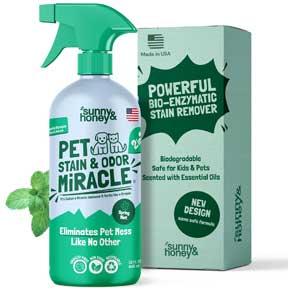
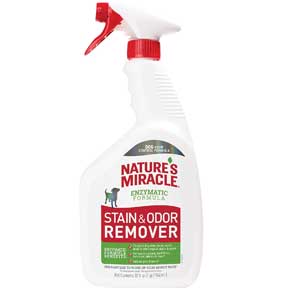
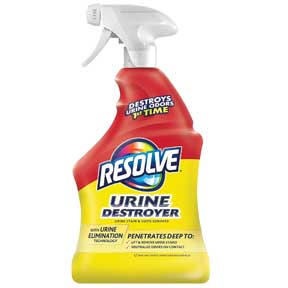
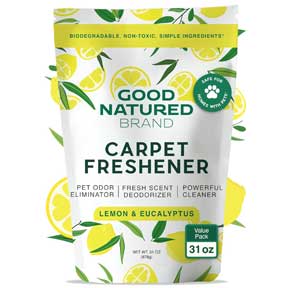
Pet Stain and Odors

Follow Us on Facebook