Using Vinegar to Remove Pet Stains

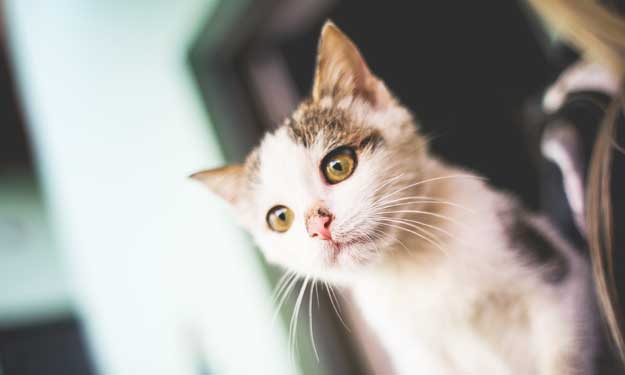
Calico Baby Kitten - How to Use Vinegar to Remove Pet Stains
Among Other Things – Vinegar is Great for Cleaning up Pet Stains.

Cleaning and Removing Pet Stains Naturally

What is more natural than white vinegar? Well, okay, I can think of a few things, but white vinegar is incredibly versatile, inexpensive, and useful for many cleaning jobs around the house.

Using vinegar to remove pet stains can be a simple way to clean fresh pet accidents on some washable surfaces, particularly when you’re dealing with odors. But vinegar isn’t the right solution for every pet stain, every surface, or every type of mess.

Knowing when to use vinegar, how to use it, and when you need something stronger will help you clean pet accidents without damaging the surface underneath.

Can Vinegar Remove Pet Stains and Odors?

Yes, white vinegar can help clean and deodorize some pet stains, particularly fresh urine and other mild organic messes.

Vinegar is acidic, while many odor-causing residues left behind by pet accidents are alkaline. The acidity of vinegar can help neutralize some of these odors and loosen certain residues.

However, vinegar does not completely break down all of the components in pet urine.

That’s an important distinction.

Pet urine can contain uric acid and other compounds that can penetrate deeply into carpet padding, upholstery cushions, mattresses, wood, and other porous materials. Once urine has soaked below the surface, spraying vinegar on top may not be enough to remove the source of the odor.

For deep or recurring urine odors, an enzymatic pet stain cleaner is often a better choice because enzymes are specifically designed to break down organic residues.

So, vinegar is a useful household cleaner for some pet accidents, but it isn’t a universal pet stain remover.

Why Does Vinegar Help with Pet Odors?

White vinegar contains acetic acid, which gives it its characteristic sour smell and acidic properties.

When diluted with water, vinegar can help:

  • Neutralize some unpleasant odors
  • Loosen certain residues
  • Clean some washable surfaces
  • Freshen areas affected by minor pet accidents

Vinegar can also be useful because it is inexpensive and readily available.

But don’t confuse odor neutralizing with disinfecting.

Vinegar has some antimicrobial activity, but it should not be considered a reliable disinfectant for pet accidents. If you’re dealing with a potentially infectious mess, such as feces or vomit from a sick animal, cleaning and disinfection are separate steps.

When Should You Use Vinegar for Pet Stains?

Vinegar is most useful when:

  • The accident is fresh.
  • You are cleaning a washable surface.
  • The stain is relatively small.
  • You have already absorbed as much liquid as possible.
  • You’re primarily trying to remove a mild odor or residue.

Vinegar becomes less useful when urine has soaked deeply into carpet padding, upholstery foam, mattresses, unfinished wood, or other porous materials.

For those situations, an enzymatic cleaner may be the better option.

DIY Vinegar Cleaning Solution for Pet Stains

A simple cleaning solution is:

  • 1 cup white vinegar
  • 1 quart warm water

Mix the solution and place it in a clean spray bottle.

You don’t need to drench the surface. The goal is to dampen the affected area enough for the solution to work without creating another moisture problem.

For upholstery, carpet, and other absorbent materials, using too much liquid can push the urine deeper into the material.

How to Remove Fresh Pet Urine from Carpet with Vinegar

The most important part of cleaning pet urine from carpet is removing as much urine as possible before applying a cleaning solution.

Step 1: Blot Up the Urine

Use paper towels or clean, absorbent towels to soak up as much liquid as possible.

Press firmly rather than rubbing.

For a larger accident, place several layers of clean towels over the area and press down. You can even stand on the towels to use your body weight to help absorb the liquid.

Keep replacing the towels until you’re no longer pulling up much moisture.

Step 2: Apply the Vinegar Solution

Lightly spray the vinegar and water solution over the affected area.

The carpet should become damp, but don’t saturate it.

Step 3: Let It Sit Briefly

Allow the solution to sit for several minutes.

This gives the vinegar time to loosen residue and help neutralize some of the odor.

Step 4: Blot Again

Use clean towels to absorb the moisture.

Continue blotting until you have removed as much liquid as possible.

Step 5: Let the Carpet Dry Completely

Good airflow is important.

Open a window, run a fan, or otherwise improve air circulation if possible.

Don’t judge the odor while the carpet is still wet. Wet carpet can smell different from completely dry carpet.

Step 6: Check for Remaining Odor

Once the carpet is completely dry, smell the area again.

If you can still smell urine, the urine may have penetrated deeper into the carpet or padding.

At that point, an enzymatic pet urine cleaner may be more effective than repeating the vinegar treatment over and over.

Can You Use Vinegar to Remove Pet Stains from Furniture?

You can use a diluted vinegar solution on some washable upholstery, but you need to be careful with upholstered furniture.

Before cleaning, determine whether the upholstery can safely be cleaned with water.

For a small fresh accident:

  1. Blot up as much urine as possible.
  2. Lightly apply the diluted vinegar solution.
  3. Blot the area again with a clean towel.
  4. Avoid soaking the cushion or upholstery foam.
  5. Allow the area to dry completely.

If the cushion cover can be removed and washed, laundering it according to its care instructions is often a better option than trying to clean a deeply absorbed accident in place.

For urine that has soaked into the cushion foam, vinegar may not reach the entire affected area.

An enzymatic cleaner designed for pet urine may work better in that situation.

Removing Pet Vomit with Vinegar

Pet vomit is a little different from urine because it can contain food particles, stomach acid, proteins, and other substances.

  • First, remove the solid material.
  • Then blot up as much moisture as possible.

For a washable surface, a diluted vinegar solution can help clean away remaining residue and odors.

However, don’t use vinegar on surfaces that can be damaged by acids, and don’t assume vinegar alone disinfects an area.

If you’re cleaning vomit from carpet or upholstery, remove the mess first and then choose a cleaning method appropriate for the material.

Removing Pet Feces from Carpet and Floors

Pet feces should be removed before applying any liquid cleaner.

Use paper towels, a disposable scoop, or another appropriate method to pick up the solid material.

Once the solids are gone:

  • Blot up any remaining moisture.
  • Clean the area with an appropriate carpet or floor cleaner.
  • Use a diluted vinegar solution only if the surface is suitable for it.
  • Rinse or blot as appropriate for the material.
  • Allow the area to dry completely.

For carpets and upholstery, an enzymatic cleaner can be useful when organic residue or odor remains.

Where You Should NOT Use Vinegar

Vinegar is acidic, so there are some surfaces where you should not use it.

Natural Stone

Do not use vinegar on natural stone such as:

  • Marble
  • Travertine
  • Limestone
  • Some other acid-sensitive stone surfaces

Acid can etch natural stone, leaving the surface dull or damaged.

This is especially important with pet accidents because urine and vomit can also contain acids or other substances that may damage sensitive stone.

Unfinished or Unsealed Wood

Be careful using vinegar on unfinished, unsealed, or damaged wood.

Liquid can penetrate the wood and cause staining, swelling, or other damage.

Delicate Finishes

Vinegar can also damage or dull some finishes, coatings, and specialty surfaces.

When you’re unsure whether vinegar is appropriate, test the diluted solution in an inconspicuous area first.

What About Vinegar and Hardwood Floors?

This one requires some common sense.

A properly finished, sealed hardwood floor can generally tolerate occasional cleaning with a small amount of diluted vinegar, but more vinegar is not better.

Don’t flood a hardwood floor with a vinegar solution.

Pet urine is particularly important to clean quickly because liquid can seep through cracks or damaged areas in the finish and reach the wood underneath.

Blot up the accident first, clean the surface with an appropriate amount of diluted solution, and dry the area thoroughly.

If urine has penetrated the wood or gotten between floorboards, surface cleaning may not completely remove the odor.

What About Vinyl, Linoleum, and Tile Floors?

Diluted vinegar can be appropriate for some vinyl, ceramic tile, and other washable hard surfaces.

The important exception is natural stone.

Ceramic and porcelain tile themselves are generally acid-resistant, but grout and specialty finishes can vary.

For a pet accident:

  1. Remove solid material if necessary.
  2. Blot up excess liquid.
  3. Clean the area with an appropriate floor cleaner.
  4. Use diluted vinegar if appropriate for the surface.
  5. Wipe away the cleaning solution.
  6. Allow the floor to dry.

Don’t assume that because vinegar is safe for one type of flooring, it is safe for every type.

Vinegar vs. Enzymatic Pet Stain Cleaners

This is an important distinction when you’re trying to remove pet urine odor.

Vinegar

Vinegar is useful for:

  • Fresh, minor accidents
  • Mild odors
  • Surface cleaning
  • Inexpensive household cleaning

Enzymatic Cleaner

Enzymatic pet stain cleaners are designed specifically to break down organic residues found in pet accidents.

They can be particularly helpful when:

  • Urine has soaked into carpet padding.
  • The odor keeps coming back.
  • A pet repeatedly returns to the same spot.
  • The stain is old.
  • Surface cleaning hasn’t solved the problem.

If you’re dealing with a persistent urine odor, I would choose an enzymatic cleaner rather than repeatedly soaking the area with vinegar.

Why Does My Pet Keep Going Back to the Same Spot?

This is one reason completely removing pet urine is so important.

A spot may look clean and smell clean to you while your pet can still detect urine residue.

Dogs and cats have a much stronger sense of smell than we do.

If an accident has soaked into carpet padding, upholstery foam, a mattress, or another porous material, cleaning only the surface may not remove everything.

That’s when you need to clean deeper or use a product specifically designed to break down pet urine residues.

And if your pet suddenly starts having accidents after previously being reliably house-trained, don’t assume it’s simply a behavior problem. Repeated accidents can have several causes, including changes in routine, stress, or a medical issue. A veterinarian can help determine whether there’s an underlying problem.

How to Remove Old Pet Stains and Odors

Old pet stains can be much harder to find and remove.

Your eyes and nose can sometimes locate the problem, but a UV black light can also help identify some old urine spots in a dark room.

Once you locate the area:

  1. Remove any surface dirt.
  2. Determine what material you’re cleaning.
  3. Blot or extract moisture if possible.
  4. Use an appropriate pet stain cleaner.
  5. Allow the area to dry completely.
  6. Check for remaining odor.

For old urine that has penetrated carpet padding, upholstery foam, or other porous materials, you may need a deeper cleaning method or professional help.

What About the Vinegar Smell?

Yes, vinegar has a strong smell.

Fortunately, the vinegar smell usually decreases as the solution dries.

Good ventilation can help speed up the process.

If the area still smells strongly of urine after it has completely dried, however, don’t assume you simply need more vinegar.

Persistent urine odor usually means that some of the urine residue is still present.

Can Vinegar Completely Remove Pet Urine Odor?

Sometimes, but not always.

This is one place where I don’t want to promise something vinegar can’t deliver.

If the accident is fresh and hasn’t soaked deeply into the material, vinegar may be enough to clean the area and reduce the odor.

If urine has penetrated carpet padding, upholstery foam, mattresses, unfinished wood, or other porous materials, vinegar may not completely remove the odor.

In those cases, an enzymatic pet stain cleaner or deeper cleaning method may be necessary.

Cleaning Pet Stains Naturally Doesn’t Mean Using Vinegar for Everything

I love having simple household cleaning solutions available, and white vinegar certainly has a place in my cleaning supplies.

But natural doesn’t automatically mean that one product works for every cleaning problem.

Vinegar can be a useful cleaner and deodorizer for some fresh pet accidents, but it isn’t a universal pet stain remover or disinfectant.

The best method depends on:

  • What your pet left behind
  • How old the accident is
  • How deeply it has soaked into the material
  • What surface you’re cleaning
  • Whether the problem is a stain, an odor, or both

For a fresh accident on a washable surface, start by removing the mess and absorbing as much liquid as possible. A diluted vinegar solution can then help clean and deodorize the area.

For stubborn or recurring urine odors, especially when urine has penetrated carpet padding or upholstery, an enzymatic pet stain cleaner is usually the better choice.

And whatever method you use, don’t mix cleaning products. If you decide to try a different cleaner, rinse or remove the first product as appropriate before applying another.

That little bit of patience can save you from turning a simple pet accident into a much bigger cleaning problem.

Pet Stain and Odors