
Cat Marking vs Accidents

Cat Marking vs Accidents and Removing the Odor
Understanding Cat Marking vs Accidents is one of the most important parts of successfully removing cat odors and preventing repeat problems in the home. While both situations can leave behind stains and smells, cat marking and litter box accidents happen for very different reasons—and they often require different cleaning approaches. Knowing the difference can help you clean more effectively, protect your floors and furniture, and address the behavior before it becomes a long-term issue.
What Is Cat Marking?
Cat marking, often called spraying, is a form of communication. Cats use scent to claim territory, respond to stress, or communicate with other cats. Marking is usually intentional behavior, even in otherwise healthy and well-trained cats.
Typical signs of cat marking include:
- Small amounts of urine
- Strong, pungent odor
- Vertical surfaces being targeted
- Repeated marking in the same areas
- Tail quivering while spraying
- Occurring near doors, windows, or new objects
Cats may spray because of:
- Stress or anxiety
- New pets or people in the home
- Outdoor cats visible through windows
- Changes in routine
- Territorial disputes
- Hormonal behavior in unneutered cats
Even neutered and spayed cats can mark if they feel stressed or insecure.
What Are Cat Accidents?
Accidents are usually different from marking because the cat is attempting to urinate normally but misses the litter box or avoids using it altogether. These situations often involve larger amounts of urine on horizontal surfaces.
Common signs of accidents include:
- Puddles of urine
- Wet spots on carpets, bedding, or floors
- Random locations rather than repeated territory spots
- Full bladder emptying
- Sudden litter box avoidance
Possible causes of accidents include:
- Dirty litter boxes
- Medical issues such as urinary tract infections
- Arthritis or mobility problems
- Stress
- Changes in litter type
- Too few litter boxes
- Fear of another pet near the litter box
If a normally reliable cat suddenly starts having accidents, a veterinary visit is important to rule out health problems.
Why Cat Marking vs Accidents Matters for Cleaning
Knowing the difference between Cat Marking vs Accidents: Why It Matters for Cleaning can completely change how you approach odor removal and stain treatment.
Marking Often Requires More Intensive Odor Removal
Spraying contains strong-smelling scent markers designed to linger. Cats may continue marking areas where they still detect their scent, even if humans can no longer smell it.
Cleaning marked areas properly usually involves:
- Enzyme-based urine cleaners
- Multiple treatments
- Deep cleaning porous materials
- Cleaning walls, baseboards, and furniture sides
- Blocking access to repeat marking spots temporarily
Simply wiping the area with household cleaner may remove the visible stain but leave odor compounds behind.
Accidents May Require Broader Deep Cleaning
Accidents often soak deeper into:
- Carpet padding
- Mattresses
- Upholstery
- Area rugs
- Hardwood floor seams
Larger urine spots can spread underneath surfaces, especially on carpets and soft furniture. Thorough extraction and drying become important to prevent lingering odors and bacteria growth.
Don’t Use Ammonia Cleaners It Can Make Things Worse
One major mistake people make is using ammonia-based cleaners on cat urine. Cat urine naturally contains ammonia compounds, and cleaners with similar smells may encourage the cat to return and mark again.
Instead, use:
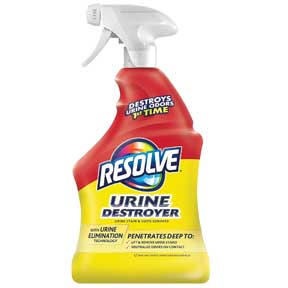
- Enzymatic cleaners specifically made for pet urine
- Mild unscented cleaners after odor removal
- Clean microfiber cloths
- Wet vacuums or extraction machines for carpets
Avoid heavily perfumed sprays that only mask odors temporarily.
How to Clean Cat Marking on Walls and Furniture
Because spraying often targets vertical surfaces, cleaning methods differ from ordinary floor accidents.
For Walls and Baseboards
- Blot the area gently
- Apply enzyme cleaner thoroughly
- Allow proper dwell time according to instructions
- Wipe clean and let dry completely
- Repeat if odor remains
Painted drywall can absorb odors surprisingly deeply, especially if spraying happened repeatedly.
For Furniture
- Remove cushions if possible
- Treat both surface fabric and inner padding
- Air dry completely
- Avoid steam cleaning before enzymes finish working
Heat can permanently set urine odors into some fabrics and carpets.
Hidden Urine Is Common
One challenge with both marking and accidents is that urine often spreads farther than expected.
Check areas such as:
- Under rugs
- Along carpet edges
- Inside couch cushions
- Beneath beds
- Around litter boxes
- Corners behind furniture
A UV blacklight can help locate older dried urine spots that are difficult to see.
Preventing Repeat Problems
Cleaning alone usually does not solve repeat cat urine issues if the underlying cause continues.
Helpful prevention steps include:
- Keeping litter boxes extremely clean
- Providing one litter box per cat plus one extra
- Reducing stress triggers
- Using scratching posts and vertical spaces
- Blocking views of outdoor cats if territorial stress exists
- Maintaining consistent routines
- Scheduling veterinary exams when behavior changes suddenly
Multi-Cat Homes and Territorial Stress
Multi-cat households are especially prone to marking problems. Competition over resources can create tension even if cats appear to get along.
Try to provide:
- Multiple feeding stations
- Separate resting areas
- Extra litter boxes
- Multiple water sources
- Quiet escape spaces
Reducing competition can lower territorial spraying behavior significantly.
When Professional Cleaning May Help
Severe urine contamination sometimes requires professional cleaning, especially when:
- Odors persist after repeated cleaning
- Urine soaked into carpet padding
- Hardwood floors absorbed moisture
- Large areas were repeatedly marked
- Furniture cushions are heavily contaminated
Professional extraction equipment can sometimes remove deep contamination more effectively than surface cleaning alone.
Cat Marking vs Accidents and Why It Matters When Cleaning
Understanding Cat Marking vs Accidents helps homeowners clean more effectively while also addressing the reason behind the behavior. Marking usually involves territorial communication and stronger scent odors, while accidents often point to litter box problems, stress, or medical concerns. Identifying which issue you are dealing with allows you to choose the right cleaning methods, prevent repeat odors, and create a cleaner, more comfortable home for both you and your cat.
Related Posts
Pet Stain and Odors


Follow Us on Facebook