The Best Way to Get Rid of Skunk Smell
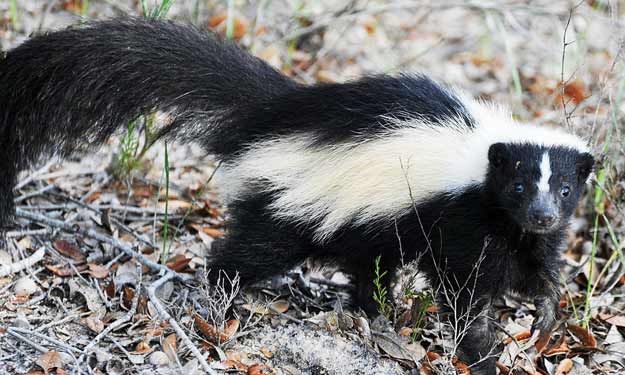
Getting Rid of a Skunk Smell on You, Your Clothes and Your Pets.
How To Survive Stinking Like A Skunk!
Nothing smells worse than skunk spray.
Anyone who has never been sprayed should count themselves lucky. Getting hit by a skunk is not something I would wish on anyone.
Here’s why.
Several years ago, I visited my grandma, who lives out in the country. While exploring the property, I suddenly spotted a skunk. Panic set in instantly. The animal froze, just as startled as I was.
Seconds later, everything went wrong.
Without warning, the skunk sprayed me.
Tears poured from my eyes. Breathing burned. Nausea kicked in fast. Fear took over completely.
After a few shaky moments, I managed to get back to my grandma’s house. Country life had prepared her for this exact situation. She didn’t hesitate and immediately went to work. Years of experience with skunks had taught her how to neutralize the odor properly.
Below are the most effective deodorizing tips for removing skunk smell after getting sprayed.
Why Do Skunks Smell?
Despite their reputation, skunks don’t naturally smell bad.
Two scent glands near the skunk’s anus create the problem. Each gland holds about a teaspoon of liquid that the animal sprays when threatened.
Those glands release sulfur-based chemicals called methyl and butyl thiols. The odor overwhelms nearly every living creature. Only the great horned owl, the skunk’s sole natural predator, remains unfazed.
Whenever danger feels close, a skunk aims its spray directly at the threat. Control comes easily to them, allowing the spray to exit as either a mist or a stream. Even distance offers little protection. Accurate aim lets a skunk hit a target from as far as twenty feet away.
Still confused about lingering odor after showering? The explanation is simple. Skunk spray contains oily compounds that cling stubbornly to skin, hair, fabric, and furniture.
So, What’s the Deal with Tomato Juice?
Tomato juice often gets credit as a skunk odor cure.
Testing by experts tells a different story. Tomato juice does not remove skunk odor at all.
Strong tomato scent temporarily masks the smell. Once that scent fades, the skunk odor returns in full force.
The Best Way to Get Rid of the Smell
Quick action makes a huge difference.
Delaying cleanup allows skunk oil to soak deeper into skin, clothing, pets, and household items. Removal becomes much harder the longer it sits.
After an unfortunate skunk encounter like mine, rely on these proven deodorizing methods that families have trusted for generations.
Deodorizing You, Your Pets, and Your Clothes
Fresh batches work best for this solution. Storage reduces effectiveness almost immediately.
Preparation helps. Keep hydrogen peroxide and baking soda stored separately in your cupboard so you’re ready when needed.
Ingredients:
- 1 quart of 3% hydrogen peroxide
- 1/4 cup baking soda (sodium bicarbonate)
- 1 teaspoon liquid dish detergent
Combine the hydrogen peroxide, baking soda, and dish soap thoroughly. Chemists recommend this mixture because it works. Peroxide and baking soda neutralize odor-causing chemicals, while dish soap breaks down the oily residue.
Clothing should come off immediately and go straight into the washer. Hot water and a strong detergent work best, though multiple washes may be necessary.
People who get sprayed should step into the shower right away and apply the mixture generously.
Pets need attention just as quickly. Use the same solution and rinse thoroughly. The recipe is safe for animals.
Deodorizing Outdoor Items
Territory marking doesn’t stop with people or pets.
Outdoor items often become targets. Tires, decks, patio furniture, trees, and home exteriors all attract skunks. Lingering odor means a problem needs attention.
Repeated attacks on my grandma’s station wagon turned her into an odor-removal expert. Through trial and error, she discovered that bleach worked best outdoors.
Bleach solution:
- 1 part bleach
- 9 parts water
Scrubbing removes the smell effectively. Rinsing afterward matters because bleach damages surfaces when left behind. Painted items don’t handle bleach well, though my grandma didn’t mind the paint on her old car.
Never apply bleach to people or pets.
Still Smell Like a Skunk?
Occasionally, extreme cases require extra help.
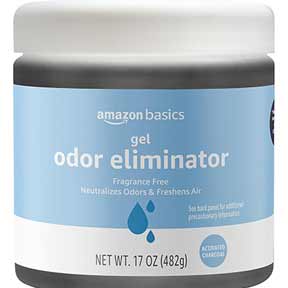
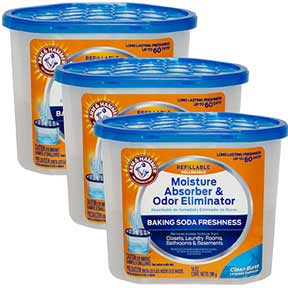
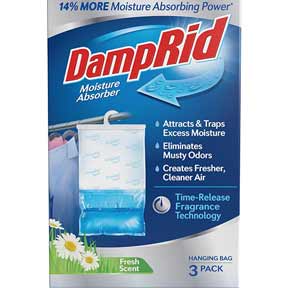
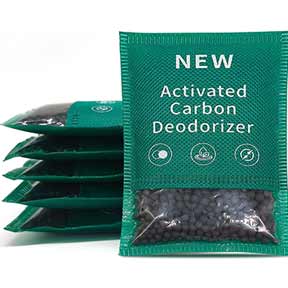
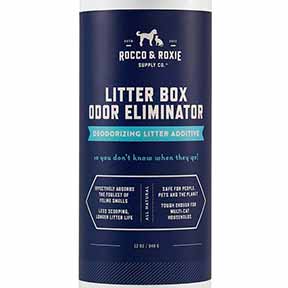
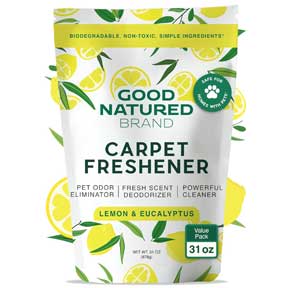
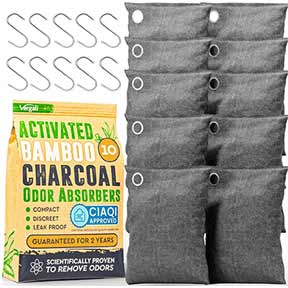
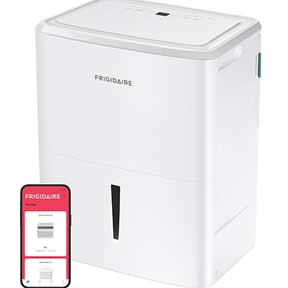
Professional odor-removal services specialize in treating pets, furniture, and household items affected by skunk spray. Commercial products may also help neutralize stubborn smells.
When home remedies fail, professionals deserve the call. No one should have to live smelling like a skunk.



Follow Us on Facebook