Pet Odor & Stain Remover
Homemade Pet Urine Odor and Stain Removal
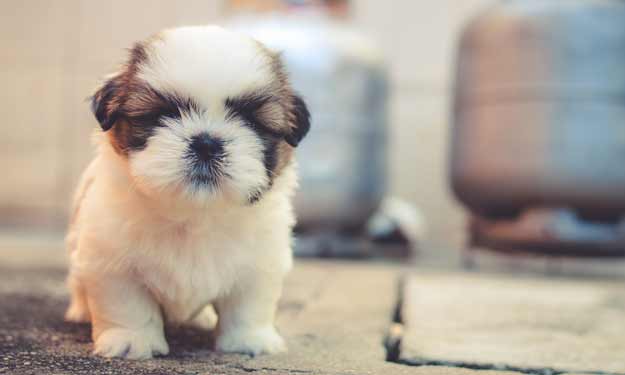
Pet accidents happen, and there’s nothing quite like stepping on a cold, wet carpet spot in bare feet! Fortunately, a homemade pet odor & stain remover can help you clean up fresh accidents using simple household ingredients. The key is to remove as much urine as possible before treating the spot and to avoid leaving moisture deep in the carpet.
Vinegar and water can help with some fresh urine odors, while baking soda can absorb some lingering smells after the area has dried. However, homemade remedies won’t remove every urine stain or odor, especially if the urine has soaked through the carpet into the padding.
Pet urine can develop a strong ammonia-like smell as bacteria break down urea in the urine. If the residue remains in the carpet, the odor may return when the area becomes damp. Here’s how to tackle pet accidents at home and what to do when a homemade treatment isn’t enough.
Step 1: Find the Source of the Pet Odor
Before using a pet odor & stain remover, locate the affected area. You may see a stain, but dried urine can be harder to find, particularly if the accident happened some time ago.
A black light designed for detecting pet urine can help identify suspected spots. Darken the room and slowly scan the carpet, following the instructions. Keep in mind that other substances can also glow under ultraviolet light, so confirm suspected spots by checking for discoloration or odor when possible.
If the smell seems to come from a larger area, check nearby carpet edges, rugs, furniture, and pet bedding, too.
Step 2: Make a Homemade Pet Odor & Stain Remover
A simple vinegar and water solution is one homemade option for treating some fresh pet urine accidents on suitable carpets. It can help reduce odors, although it won’t reliably eliminate all urine residue.
What You’ll Need
- Paper towels or clean, absorbent cloths
- Rubber gloves
- White vinegar
- Cool water
- Baking soda, optional
- A spray bottle
- A vacuum cleaner
Before using any solution, check your carpet’s care instructions and test the mixture in a hidden spot. Some carpet fibers, dyes, and backings may react differently to homemade cleaners.
Blot the Urine First
Put on gloves and use paper towels or a clean cloth to blot up as much urine as possible. Press down firmly, then replace the towels as they become wet.
Don’t rub or scrub the spot. This can spread the urine and work it farther into the carpet fibers. If the accident is fresh, blotting promptly is one of the most important steps you can take.
Apply Vinegar and Water
Mix equal parts white vinegar and cool water in a clean spray bottle.
Lightly apply the mixture to the affected area. Use enough to treat the surface without saturating the carpet or soaking the padding underneath. Let it sit for a few minutes, provided the carpet manufacturer permits this type of treatment.
Blot the area again with clean, absorbent cloths to remove the moisture. If you have a wet/dry vacuum approved for this use, it may help extract additional liquid.
Vinegar can help with some fresh odors, but it doesn’t reliably break down all the compounds in pet urine. If the smell persists after the carpet dries, you may need a different treatment.
Important: Never mix vinegar with hydrogen peroxide, bleach, or other cleaning products. Use one treatment at a time, and don’t apply another cleaner until the previous solution has been removed as thoroughly as practical.
Use Baking Soda for Lingering Odors
Baking soda is another common household option for absorbing some odors. It works best as a supplementary treatment, not as a substitute for removing urine.
First, allow the treated carpet to dry completely. If a mild odor remains and the carpet is suitable for this method, sprinkle a small amount of baking soda over the dry area.
Leave it for several hours, or overnight if appropriate, then vacuum thoroughly. Keep pets away from the powder until it has been completely removed – you may have to cover the area with a clean towel or rag.
Baking soda may help with residual smells, but it won’t reliably eliminate urine that has penetrated the carpet padding.
What About Hydrogen Peroxide for Stains?
Hydrogen peroxide can help lighten some organic stains, but it can also bleach carpet dyes or damage certain fibers. I wouldn’t make it the next automatic step after vinegar.
If discoloration remains, use a carpet stain remover labeled as suitable for your carpet type. If you choose a peroxide-based product, follow its label and test it in a hidden area first. Never mix hydrogen peroxide with vinegar or other cleaning products.
How to Remove Old Pet Urine Odors
Old pet urine stains can be more difficult to remove because the urine may have dried into the carpet backing or padding. Repeatedly spraying the surface with vinegar and water may not reach the residue causing the odor.
For an older stain, start by identifying the affected area. If a mild surface odor remains, you can try the vinegar and water method above, using as little moisture as possible.
If the odor returns after drying, an enzymatic pet urine cleaner is often a better choice. These products are designed to break down urine residues that ordinary household cleaners may leave behind.
Follow the product directions carefully. Some enzymatic cleaners need sufficient contact time to work, and applying too little product may not treat the full depth of the affected area. If urine has reached the padding or subfloor, more extensive cleaning or professional treatment may be necessary.
Homemade Carpet Freshening Tips for Pet Areas
You don’t always need a scented powder or room spray to keep pet areas smelling fresh. A few simple habits can help reduce everyday odors without adding unnecessary fragrance.
Keep Carpet Clean and Dry
- Vacuum regularly. Remove pet hair, dander, dirt, and debris before they build up. Pay extra attention to areas where your pets sleep or spend time.
- Wash pet bedding. Launder washable beds, blankets, and covers according to their care labels.
- Blot spills promptly. Removing moisture quickly helps prevent odors from settling into carpet fibers and padding.
- Let damp areas dry thoroughly. Good airflow helps prevent lingering musty smells.
- Clean the source of the odor. If a carpet smells after vacuuming, look for urine, damp bedding, dirty litter boxes, or another source instead of simply adding fragrance.
A Simple Homemade Baking Soda Freshener
For a carpet that needs light freshening rather than urine-stain treatment, plain baking soda is an optional household remedy.
- Make sure the carpet is dry.
- Sprinkle a light layer of baking soda over a small, suitable area.
- Leave it for 15–20 minutes.
- Vacuum thoroughly until no powder remains.
This method may help absorb some everyday odors, but it doesn’t disinfect carpet or remove the source of persistent pet urine smells.
Use this method only if your carpet and vacuum are suitable for fine powders. Keep pets away while the baking soda is on the carpet, and avoid using it where pets may lick or ingest it. If your pet has respiratory sensitivities or tends to eat things off the floor, skip the powder.
I would avoid adding essential oils to homemade carpet powders used around pets. Some essential oils can be harmful to cats and dogs, and a pleasant scent doesn’t necessarily mean a product is safe for them.
Homemade Ways to Keep Pet Odors Under Control
Sometimes the best odor remover is preventing smells from building up in the first place.
- Clean litter boxes regularly. Remove waste daily and wash the box as needed. Replace litter according to its directions and your cat’s needs.
- Wash food and water bowls. Food residue and damp areas around bowls can develop unpleasant smells.
- Clean washable pet toys and bedding. Follow their care instructions and allow them to dry completely.
- Address accidents promptly. The sooner you blot up urine, the less time it has to soak into carpet and padding.
- Avoid covering up persistent odors. Air fresheners and scented sprays may mask a smell without removing its source.
For room freshening, open windows when weather and outdoor conditions permit, or use appropriate ventilation. This helps exchange stale indoor air without adding fragrance that could bother sensitive pets.
When to Use an Enzymatic Pet Urine Cleaner
Homemade pet odor & stain remover recipes are useful for some fresh, minor accidents, but they aren’t the best solution for every situation.
Consider an enzymatic cleaner specifically labeled for pet urine when:
- The urine smell returns after the carpet dries.
- The accident is old or has happened repeatedly in the same place.
- The urine has soaked deeply into carpet fibers or padding.
- Vinegar and water haven’t resolved the odor.
Choose a product suitable for your carpet material, including the recommended application amount and contact time. Don’t combine it with vinegar, peroxide, or other cleaners unless the product label specifically permits it.
If the odor remains despite proper treatment, the urine may have reached the carpet padding or subfloor. In that case, surface cleaning alone may not be enough.
A Fresh Home Starts with the Right Pet Odor & Stain Remover
A homemade pet odor & stain remover can be a helpful first step when your pet has an accident. Blotting up the urine promptly, using a suitable vinegar-and-water solution, and allowing the carpet to dry thoroughly can help with some fresh spots. Baking soda may offer additional odor control on dry, suitable carpet, but it isn’t a cure for deeply embedded urine.
For older or stubborn odors, an enzymatic cleaner may be more effective because it’s designed to break down urine residues. The goal is to remove the source of the smell rather than cover it up, so you can keep your home clean and comfortable for both your family and your pets.
Related Articles



Follow Us on Facebook