How to Clean Dirt & Grime from Mini-Blinds
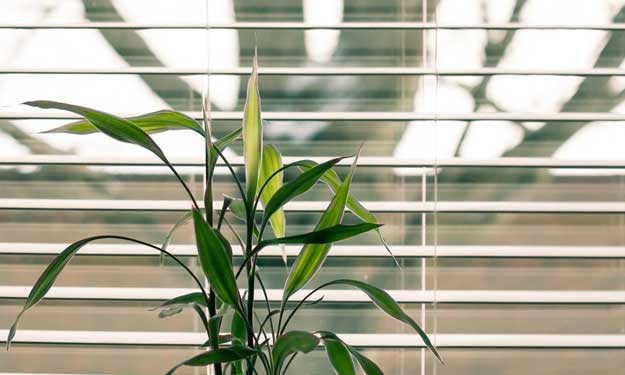
How To Clean Dirty, Grimy Mini-Blinds
So, you’ve finally had enough of your nasty, grimy and dusty mini-blinds?
Well, good for you! Cleaning mini-blinds isn’t hard to do, as long as you use the right method for the type of blinds you have.
You may have tried to clean each individual slat by hand with some sort of cleaning solution and very quickly discovered that it’s extremely hard to get each one perfectly clean.
Once you think one slat is wiped clean, you notice that the top or bottom half is still dirty and sticks out like a sore thumb. Does this sound familiar?
The best way to clean mini-blinds depends on what they’re made of. Aluminum and vinyl mini-blinds can usually be cleaned with mild soap and water, while real wood and some fabric blinds need a much gentler approach.
What You Need to Know Before Cleaning Mini-Blinds
Before taking your blinds down or getting them wet, determine what they’re made of.
Aluminum Mini-Blinds
Aluminum mini-blinds are generally durable and are good candidates for a more thorough cleaning with water and mild dish soap.
Vinyl or PVC Mini-Blinds
Vinyl mini-blinds can also usually be cleaned with mild soap and water. Avoid harsh abrasives that can scratch or dull the surface.
Faux Wood Mini-Blinds
Faux wood blinds are often made from composite materials or PVC and may tolerate damp cleaning, but construction varies. Avoid assuming that every faux wood blind can be soaked.
Real Wood Mini-Blinds
Do not soak real wood blinds. Excess water can damage the finish, cause swelling or warping, and leave the wood looking uneven.
Instead, dust them thoroughly and clean them with a slightly damp cloth or a cleaner specifically intended for the finish.
Fabric Mini-Blinds or Shades
Fabric blinds and shades should not be treated like aluminum blinds. They can absorb water, stain, shrink, or become damaged.
Follow the manufacturer’s cleaning instructions or have them professionally cleaned when necessary.
Cleaning Precautions
Check the manufacturer’s cleaning directions before washing your mini-blinds, especially if you aren’t sure what material they are made from.
Do not soak real wood or fabric blinds.
For aluminum and vinyl blinds, use a mild cleaning solution rather than a strong chemical cleaner. There is generally no reason to use ammonia for routine mini-blind cleaning.
Never mix cleaning products together. In particular, never mix bleach with ammonia, vinegar, or other cleaners.
If your blinds are very large, unusually delicate, or difficult to remove, professional blind cleaning may be a better option.
How to Clean Mini-Blinds Without Taking Them Down
You don’t always have to remove mini-blinds to get them clean.
This method works well when the blinds are dusty or only moderately dirty.
What You Need:
- A microfiber cloth or blind-dusting tool
- Warm water
- A small amount of mild dish soap
- A clean, dry microfiber cloth
- A vacuum with a soft brush attachment, if available
Step-by-Step:
- Close the blinds so the slats are facing you.
- Use a vacuum with a soft brush attachment or a microfiber duster to remove loose dust.
- Mix a small amount of mild dish soap with warm water.
- Dip a microfiber cloth into the solution and wring it out well.
- Wipe each slat gently, working from one side to the other.
- Turn the slats in the opposite direction and wipe the other side.
- Use a clean, damp cloth to remove any soap residue.
- Dry the slats with a clean microfiber cloth.
Don’t soak the blinds while they’re hanging. Excess water can run into the headrail and other mechanisms.
How to Deep Clean Aluminum or Vinyl Mini-Blinds
If your aluminum or vinyl mini-blinds are heavily soiled, removing them can make the job much easier.
Fill the Bathtub
For aluminum or vinyl blinds that the manufacturer says can be wet-cleaned:
- Fill the bathtub with enough warm water to cover the blinds.
- Add a small amount of mild dish soap.
- Swish the water around to distribute the soap.
You don’t need a bathtub full of strong cleaning chemicals. Mild soap and water will remove a surprising amount of dirt and grime.
Take Down the Mini-Blinds
- Raise the blinds to make them easier to handle.
- Carefully remove the blinds from their brackets.
- Support the blinds as you carry them to the bathtub.
- Lower them gently into the water to avoid bending the slats.
If the blinds are large or awkward to handle, having another person help can make this much easier.
Cleaning the Mini-Blinds
- Let the blinds soak for about 10 to 15 minutes.
- Gently agitate the water to loosen dirt.
- Use a soft sponge or soft-bristle brush to clean stubborn areas.
- Pay particular attention to the edges of the slats and the headrail.
- Drain the dirty water.
- Rinse the blinds thoroughly with clean water.
Avoid stiff brushes and abrasive scrubbers. Aluminum slats can bend or scratch more easily than you might expect.
Rinse the Mini-Blinds Thoroughly
After cleaning, rinse all of the soap away with clean water.
A handheld shower attachment can make this easier, but you don’t need high water pressure. A gentle rinse is enough.
Make sure there is no soap residue left on the slats.
How to Dry Mini-Blinds
Don’t put wet blinds straight back into the window and forget about them.
Instead:
- Lift the blinds carefully from the bathtub.
- Allow excess water to drain.
- Gently shake or tilt the blinds to help water run off.
- Wipe the slats with a clean towel or microfiber cloth.
- Hang the blinds where air can circulate around them.
- Open and adjust the slats occasionally while they dry so moisture doesn’t remain trapped between them.
Make sure the blinds are thoroughly dry before returning them to normal use.
Clean the Slats After Deep Cleaning
Once the blinds are mostly dry, check the slats from both directions.
If you find a few remaining dirty spots, use a microfiber cloth dampened with mild soapy water and clean those areas individually.
This final pass is much easier than trying to scrub every slat while the blinds are soaking.
How to Clean Mini-Blind Cords and Headrails
Don’t forget the parts that aren’t made up of slats.
Dust and grime can collect on the headrail, cords, tilt mechanism and other hardware.
For these areas:
- Use a dry microfiber cloth to remove loose dust.
- Use a slightly damp cloth for stubborn dirt.
- Don’t saturate the headrail or mechanical components.
- Allow everything to dry thoroughly.
If the cords are especially dirty, wipe them gently rather than pulling or scrubbing aggressively.
Quick Outdoor Cleaning for Aluminum or Vinyl Blinds
If you have a warm day and a suitable outdoor space, cleaning aluminum or vinyl mini-blinds outside can be convenient.
Only use this method for blinds that are appropriate for wet cleaning.
- Lay a clean sheet or towel on the ground.
- Place the blinds on the surface.
- Dust or vacuum them first to remove loose dirt.
- Clean them with mild dish soap and water using a soft sponge or brush.
- Rinse gently with a garden hose.
- Wipe away excess water.
- Allow the blinds to dry completely before reinstalling them.
Don’t use a pressure washer. High-pressure water can bend slats, damage finishes, and force water into mechanisms.
And while cleaning blinds outside can be a fun summer project, keep children away from tools, cleaning products and water that could create a slipping hazard.
Can You Use a Magic Eraser on Mini-Blinds?
I wouldn’t make a Magic Eraser your first choice.
Magic Erasers are mildly abrasive, and repeated scrubbing can dull or damage some finishes. They can also remove or change the appearance of painted or coated surfaces.
For most mini-blinds, a microfiber cloth, soft sponge, or soft-bristle brush with mild soapy water is a safer starting point.
How Often Should You Clean Mini-Blinds?
How often you need to clean your blinds depends on how quickly they collect dust and grime.
A good basic routine is:
- Weekly or every couple of weeks: Dust or vacuum the slats.
- Every few months: Wipe the blinds with a damp microfiber cloth if needed.
- As needed: Deep-clean blinds that have accumulated grease, smoke residue, or heavy grime.
Kitchen blinds may need cleaning more often because cooking oils can mix with dust and create a sticky film.
Blinds in bedrooms and living areas may mainly need regular dusting.
How to Keep Mini-Blinds Cleaner
Once you’ve done the hard work, keeping the blinds clean is much easier.
Dust Regularly
Don’t wait until a thick layer of dust has accumulated.
Use a microfiber duster, soft cloth, or vacuum with a soft brush attachment to remove dust regularly.
Vacuum Around the Window
Dust doesn’t only collect on the blinds. Window sills, screens, curtains, and surrounding areas can also collect dust.
Keeping these areas clean helps prevent freshly cleaned blinds from becoming dusty again.
Keep Kitchen Blinds Away From Grease When Possible
If mini-blinds are near a stove or cooking area, they can collect grease as well as dust.
Regular light cleaning is much easier than trying to remove a thick, sticky layer of cooking residue later.
Change HVAC Filters as Recommended
A clean HVAC filter can help capture airborne particles, although it won’t eliminate household dust completely.
Follow the filter manufacturer’s recommendations for replacement rather than assuming that changing it more frequently is always necessary.
What About Dryer Sheets and Dust Repellent?
You may have heard that used dryer sheets can be wiped over blinds to make them repel dust.
I wouldn’t rely on this method.
Dryer sheets are designed for laundry, and they can leave a residue on other surfaces. A clean microfiber cloth or duster is a better choice for regular blind maintenance.
How to Clean Different Types of Mini-Blinds
Here’s the simple version:
| Type of blind | Best cleaning approach |
| Aluminum | Dust, vacuum, damp-wipe, or deep-clean with mild soap and water when appropriate |
| Vinyl/PVC | Dust, vacuum, or damp-wipe; mild soap for heavier dirt |
| Faux wood | Damp cleaning when permitted; avoid soaking unless the manufacturer specifically allows it |
| Real wood | Dust and use a slightly damp cloth; don’t soak |
| Fabric | Follow the manufacturer’s cleaning instructions; avoid soaking unless specifically permitted |
When Professional Blind Cleaning Makes Sense
Sometimes the easiest way to clean blinds is to let someone else do it.
Professional blind cleaners can be especially helpful when:
- The blinds are very large.
- You have a large number of blinds.
- The blinds are difficult to remove.
- They are made from delicate or expensive materials.
- They have heavy grease, smoke, or other difficult buildup.
- You’re concerned about damaging them.
Professional ultrasonic cleaning can be useful for some types of blinds because it can clean around small areas and components that are difficult to reach by hand. However, the blind material and construction still determine whether ultrasonic cleaning is appropriate.
How to Clean Dirt & Grime from Mini-Blinds
Cleaning dirty mini-blinds doesn’t have to be an all-day project.
For light dust, regular vacuuming or microfiber dusting is usually all you need. For grimy aluminum or vinyl mini-blinds, a deeper cleaning with mild dish soap and water can make a dramatic difference.
The most important thing is to match the cleaning method to the material. Aluminum and vinyl blinds are much more forgiving than real wood or fabric blinds, so don’t assume that every mini-blind can be soaked in the bathtub.
Once the blinds are clean, keep them that way with regular dusting and occasional damp cleaning. A few minutes of maintenance can save you from having to tackle a much bigger cleaning job later.
Household Cleaners



Follow Us on Facebook