
How to Clean the Oven Interior and Exterior
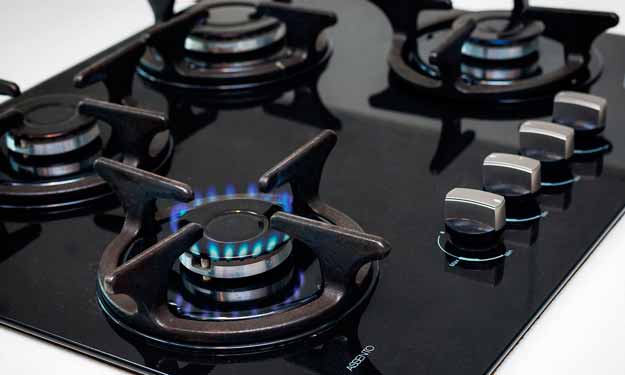
Interior and Exterior Oven Cleaning Tips
Oven cleaning may be one of the most dreaded jobs when it comes to cleaning the kitchen. As a matter of fact, most of us don’t even think about cleaning the oven until we’ve already got some seriously charred stuff hang around.
I know many people aren’t sure what to do or where to begin and the thought may be overwhelming to some.
Cleaning the oven doesn’t have to be hard or something to overlook, all you need is some basic knowledge and Mrs. Clean can give you the tips to get an easy oven cleaning regimen under your belt.
Oh – and you’ll love your sparkling clean oven?
How Often Should the Oven Be Cleaned?
As a general rule of thumb, every time you use the oven, it should be wiped down. It’s not too hard to run a damp cloth over the cook top and exterior after it’s cooled then wipe dry.
The inside of the oven is a different story. It may not have to be cleaned each and every time you use it but if you turn it on and smell burned stinky stuff, it’s time to clean the inside of the oven.
So for the cooks that use the oven many times a week, you may need to clean it every few months. For the person that doesn’t use the oven much, you may need to only clean the oven once or twice a year.
A Variety of Ways to Clean the Inside of the Oven
Many of us have a self clean oven which can be a nice feature but honestly, I don’t use it much. I clean it myself.
Self Cleaning Oven Option
Self cleaning ovens heat to a very high temperature and they run for a few hours to burn off spills and stains. The oven locks and runs the cleaning cycle. The problem with using the self clean option, it can create smoke (and possibly start a fire if extremely dirty) if there is a lot of grease and other food stuffs inside.
If you do choose to use the self clean option, first remove the wire racks (otherwise the metal could expand if left in the oven, damaging the interior). Lock the oven door and turn on the self cleaning mode.
The oven usually shuts off automatically, approximately within 2-6 hours your oven is done self cleaning. After the oven temperature has cooled down to room temperature, wipe the oven interior with a damp cloth. The self-cleaning oven turns food spills into a gray ash that can be wiped away easily with a damp sponge.
A remember, do not leave the house unattended while using the self cleaning function.
Cleaning the Oven with Store Bought Cleaner
Here is how to clean your oven with minimal stress. Since each oven is different, check your owner’s manual before attempting to clean your oven for the first time.
- Remove all the racks out of the oven. Place them in hot soapy water and wait about 20 minutes then rotate to soak the sides that didn’t get soaked in the water. Clean the racks with a sponge or something like an SOS pad. If there is still grime on the racks, allow to soak a bit longer.
- For easy and quick cleaning, spray the oven interior with a good cleaner and allow your oven to heat up to 200 degrees. Allow it to sit for about 30 minutes.
- For regular cleaning, spray with the oven cleaner at night and allow to sit overnight (do not heat the oven).
- Clean oven out with a sponge soaked in hot, soapy water. If it is very tough, you may have to invest in a scrub brush and put some muscle into it.
Many store bought over cleaners contain harsh chemicals, follow product cleaning instructions carefully and you may want to wear a mask while spraying and put on a pair of kitchen gloves.
Cleaning the Oven with Homemade Oven Cleaner
This method is similar to using a store bought cleaner but for this we are making our own natural, non-toxic oven cleaner. The recipe is simple.
- Follow step 1 from above and remove and clean the oven racks.
- In a bowl add 1 cup baking soda and start by stirring in 4 Tablespoons water. Mix together, at this point it will be dry.
- Now add in another 1 to 3 Tablespoons (1 Tablespoon at a time) and mix together. The consistency you are looking for is a thick paste that spreads easily.
- Put your gloves on and spread the mixture over the interior surface, you can use a paintbrush for this part. Be careful not to get cleaner on the oven elements.
- Now close the door and let sit and work its magic overnight.
- Use an old wet dish cloth to wipe out the oven. Rinse and rewet as needed.
- Use a plastic scraper (something like a putty knife) to carefully remove the baking soda paste.
- Wipe down the interior again using a wet cloth.
- Replace oven racks and you’re done!
Before you wipe down the inside of the oven you can make a paste of baking soda and water then spread the paste on the oven glass. Let this sit for about 20 minutes then wipe down when you do the rest of the oven interior.
To catch spills, it is not recommended to line the bottom of the oven with foil paper; it can damage the bottom of your oven. To safely catch spills, line foil on a lower rack (do not use too much foil) at least a few inches under the food and make sure the foil paper is at least 2 inches from the oven sides.
Cleaning the Oven Exterior
As I mentioned before, every time you use the oven, it should be wiped down. Run a warm, slightly soapy damp cloth over the cook top and exterior after it’s cooled then wipe dry.
You can also use a 3 to 1 ratio of water and vinegar, spray surface and wipe up. If I do use a soapy water to rinse the exterior, I will use vinegar and water afterwards to remove any soapy residue and streaking.
Don’t let spills sit for too long as some spills can cause discoloration. Don’t use too much water as you don’t want to get any down the vents at the top of the door. This can cause drips that may permanently remain.
Do not use abrasive cleaners or scouring pads as they will leave behind scratches.
If necessary, many oven grills can be washed in the dishwasher. If they have stuck on food, soak them in warm soapy water first to help soften the stuck on food.
There you go. Now didn’t I tell you you’d love your sparkling clean oven?