Removing Wax from Floors
Removing Wax from Dull Looking Floors
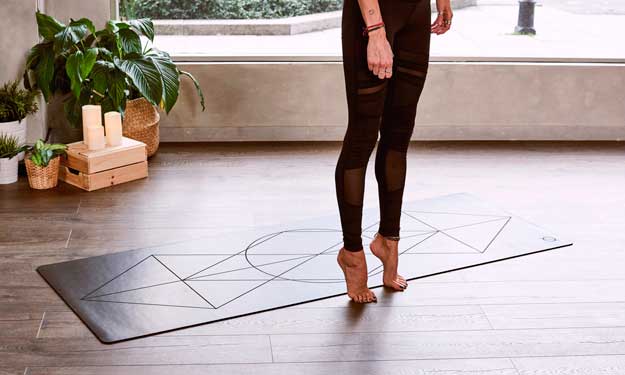
If your floors have lost their shine and look cloudy, yellowed, or just plain dirty even after mopping, old floor wax or polish could be the problem. Removing wax from floors can make a big difference, especially when years of buildup have left the surface looking dull and uneven.
Before reaching for a floor stripper, though, it’s worth trying a few simpler cleaning methods. Sometimes what looks like wax buildup is actually leftover floor cleaner, dirt, or polish residue.
The trick is knowing what kind of flooring you have and what’s causing the dull appearance. Older vinyl and linoleum floors may have layers of wax, while many newer floors have protective finishes that shouldn’t be stripped.
Why Do Floors Look Dull?
Floors can lose their shine for several reasons, and wax isn’t always to blame.
- Old wax buildup: Repeated applications can leave floors yellowed, cloudy, or sticky.
- Floor polish buildup: Some products leave behind a coating that becomes uneven over time.
- Leftover cleaning products: Using too much cleaner or not rinsing properly can leave a dull film.
- Ground-in dirt: Dirt and grime can collect in textured flooring and make it look dingy.
- Worn protective finishes: Sometimes the floor itself has lost its shine, and cleaning won’t restore it.
If your floor feels sticky or looks cloudy after mopping, start by checking for cleaning product residue before assuming it needs stripping.
What to Try Before Stripping
Before buying a floor wax remover, give the floor a thorough cleaning. You might discover that the dull appearance has nothing to do with wax.
Start with Plain Water
For flooring that can safely be damp mopped, plain water is a good place to start.
- Sweep or vacuum to remove loose dirt.
- Dampen a microfiber mop with clean, lukewarm water.
- Mop a small section of the floor without soaking it.
- Rinse the mop frequently so you’re not spreading residue around.
- Dry the area with a clean towel and check the results.
If the floor looks noticeably better after drying, leftover cleaner may have been contributing to the dull appearance.
Try a Floor Safe Cleaner
If plain water doesn’t help, use a cleaner made for your flooring.
For many vinyl and ceramic tile floors, a properly diluted neutral-pH floor cleaner can remove everyday grime and some cleaning-product residue.
Avoid adding extra cleaner, thinking it will work better. Too much can leave another film behind.
Cleaning tip: If the floor looks worse after mopping, try using less cleaning solution and changing your mop water more often.
Can Household Products Remove Floor Wax?
There are household products that have traditionally been used to remove wax or floor finishes, but not all are suitable for modern flooring.
Ammonia: Diluted household ammonia has historically been used to remove certain waxes and acrylic floor finishes from older resilient floors. However, it can damage linoleum and some modern vinyl finishes, so it isn’t a good general purpose wax remover. Never mix ammonia with bleach or other cleaning chemicals.
White vinegar: Vinegar can help with certain mineral deposits on compatible surfaces, but it doesn’t reliably remove layers of floor wax. It’s also unsuitable for linoleum and some floor finishes.
Baking soda: Baking soda may help with some surface grime, but its abrasive nature can scratch or dull protective coatings. I wouldn’t use it to scrub wax from finished floors.
Warm water and mild detergent: These can remove ordinary dirt and some surface residue from compatible flooring, but they generally won’t dissolve several layers of hardened wax or acrylic floor finish.
For a small amount of residue, ordinary cleaning may be enough. But if your floor has several layers of actual wax or polish, you’ll probably need a product designed to remove that particular coating.
Removing Wax from Vinyl Floors
Older vinyl flooring is one of the surfaces where wax and floor polish buildup can become a problem.
Many newer vinyl floors, particularly luxury vinyl plank (LVP) and luxury vinyl tile (LVT), have protective wear layers and aren’t designed for traditional waxing or stripping.
If you have an older vinyl floor that has been waxed repeatedly, here’s how to tackle the buildup.
What You’ll Need
- Floor wax or polish remover suitable for your vinyl flooring
- Bucket
- Mop or sponge
- Soft scrub brush or appropriate floor pad
- Clean water
- Old towels or absorbent cloths
- Rubber gloves
Instructions
- Sweep thoroughly. Remove dirt and grit before applying any cleaning solution.
- Test a hidden area. Make sure the remover doesn’t discolor or damage the flooring.
- Prepare the solution. Follow the product’s dilution instructions.
- Work in small sections. Apply the remover and allow it to soften the buildup for the recommended time without letting it dry.
- Gently scrub. Use a suitable soft brush or floor pad to loosen the old finish.
- Remove the residue. Mop or wipe up the dirty solution before it dries.
- Rinse if directed. Follow the remover’s rinsing instructions, using as little water as practical.
- Let the floor dry. Check the results before deciding whether another application is needed.
Thick buildup may take more than one application. Avoid aggressive scrubbing, which can damage the floor.
Cleaning tip: If your vinyl flooring has a factory applied no-wax finish, don’t use a stripper unless the flooring manufacturer specifically approves it.
Removing Wax from Linoleum Floors
Linoleum and vinyl may look similar, but they’re made from different materials and shouldn’t always be cleaned the same way.
Older linoleum floors were often maintained with wax or protective floor finishes. If those coatings have built up over time, the floor may look yellowed or uneven.
Start by cleaning with a neutral-pH product suitable for linoleum. If the dullness remains and you know old wax or finish is present, use a remover specifically approved for linoleum.
Instructions
- Sweep or vacuum to remove dirt.
- Test the linoleum-safe remover in an inconspicuous area.
- Apply the product in small sections according to its directions.
- Allow the recommended working time without letting the solution dry.
- Gently loosen the old finish with an appropriate pad or brush.
- Remove the dirty solution promptly.
- Rinse according to the product instructions and dry thoroughly.
Avoid soaking the floor, especially around seams and edges.
What about vinegar or ammonia? Neither is a good substitute for a linoleum safe wax remover. Linoleum can be sensitive to acidic and strongly alkaline cleaners, which may damage its finish or surface.
Removing Wax from Ceramic Tile
Ceramic and porcelain tile generally don’t need traditional floor wax, but some older tile floors may have been coated with wax or polish to give them extra shine. Before trying to strip the floor, figure out whether you’re dealing with wax, leftover cleaner, or mineral deposits.
For everyday buildup, try cleaning the tile with a neutral-pH cleaner and a soft mop. Rinse with clean water if the product requires it, and dry the surface.
If you know wax or polish has been applied, choose a remover specifically labeled for your type of tile and suitable for the grout. Be careful with grout, especially if it’s old, damaged, or unsealed. Strong cleaning products can affect some grout materials and sealers.
Cleaning tip: If the tile looks cloudy but doesn’t feel waxy or sticky, cleaning product residue may be the problem. Try a thorough cleaning and rinse before using anything stronger.
Removing Wax from Hardwood Floors
Hardwood floors need a different approach because their protective finishes can be damaged by ordinary floor strippers.
Some older hardwood floors were maintained with paste wax. Others have polyurethane or similar protective coatings that generally shouldn’t be waxed.
If you’re dealing with an older waxed wood floor, a product specifically designed to remove paste wax from wood may be appropriate.
For polyurethane-coated hardwood, first determine whether the cloudy appearance comes from an applied polish or cleaner residue. Use a cleaning or polish removal product approved for that finish.
Avoid vinegar, ammonia, general floor strippers, abrasive scrubbing, and excessive water on finished hardwood floors.
If the finish itself is worn, removing wax won’t restore it. The floor may need professional refinishing instead.
What About Laminate and Luxury Vinyl?
Laminate, luxury vinyl plank, and luxury vinyl tile generally aren’t meant to be waxed.
If these floors look dull, the problem may be cleaning-product residue, an unsuitable polish, or wear on the protective surface. Try a cleaner specifically approved for the flooring and use a lightly dampened microfiber mop.
Don’t use traditional wax strippers, steam cleaners, abrasive pads, or large amounts of water unless the flooring manufacturer expressly allows the method.
If a floor polish or shine restoring product has been applied, check whether its manufacturer provides a compatible remover.
Can Other Cleaners Remove Floor Wax?
If ordinary cleaning hasn’t improved the floor and you’re certain that old wax or polish is present, a commercial remover may be the most effective option.
Look for a product that matches both the flooring material and the coating you’re trying to remove. Traditional paste wax and acrylic floor polish aren’t the same thing. Some products remove one but not the other.
You may have read about people successfully removing old floor wax with products such as Zep, OxiClean, or other heavy-duty household cleaners.
Zep makes floor strippers specifically designed to remove layers of wax and polish from certain types of flooring. OxiClean and similar oxygen-based cleaners may help loosen stubborn dirt and some residue, although they aren’t specifically made to strip floor wax.
The results really depend on what’s causing the buildup and what type of flooring you have. A product that works wonderfully on one floor could damage the finish on another.
Flooring can be expensive and equally expensive to replace, the last thing you want is to damage it while trying to remove old wax. While homemade cleaning solutions have a place, this is one of those jobs where the wrong ingredients can do more harm than good. Different flooring materials and finishes react differently to cleaning products, so it’s worth making sure whatever you use is safe for your particular floor.
A word about older flooring: Some older resilient flooring and adhesives may contain asbestos. Avoid sanding, grinding, or aggressively scraping unknown flooring materials. If you suspect asbestos, have the flooring evaluated before disturbing it.
How to Prevent Wax Buildup
Once you’ve removed the old buildup, a few simple habits can help keep your floors looking better.
- Sweep or vacuum regularly to prevent grit from scratching the surface.
- Use only the recommended amount of floor cleaner.
- Change mop water frequently instead of spreading dirty water around.
- Avoid applying floor polish every time the floor starts looking dull.
- Don’t use wax on flooring designed for no-wax maintenance.
- Clean spills promptly to prevent sticky residue.
- Let the floor dry completely after mopping.
If your floor is designed to have a protective finish maintained or reapplied, use a product intended for that particular flooring rather than assuming any floor wax will work.
Getting Dull Floors Clean Again
Before spending money on a floor stripper, try a thorough cleaning with plain water or a cleaner suitable for your flooring. Sometimes that’s all it takes to remove the film that’s making the floor look dull.
If old wax or polish really is the problem, removing it may take a little more effort. Older vinyl and linoleum floors may need a compatible wax remover, while hardwood, laminate, and luxury vinyl require different care.
And once you’ve gotten rid of the buildup, don’t be too quick to apply another coat of wax. Many floors don’t need it, and keeping them clean may be all that’s necessary.
Floor Supplies

Follow Us on Facebook