Removing Soap Scum
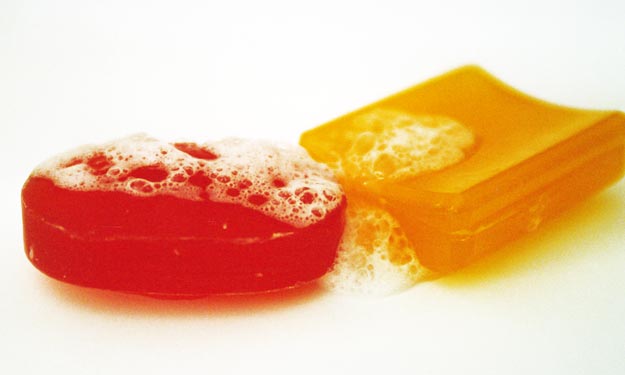
How to Clean and Remove Soap Scum
Talk about ruining a bath! Nothing kills relaxation faster than that dreaded ring around the tub – soap scum that is. Soap scum builds up after showers and baths, and the longer you wait to clean it, the harder removing soap scum can be.
Soap scum forms when traditional soap reacts with minerals in hard water, creating a stubborn, filmy residue. Body oils, dirt and other bathroom residues can also become trapped in the buildup, making it even harder to clean.
Soap scum doesn’t stand a chance if you know how to fight it. Below are several ways to remove soap scum, along with tips for preventing it from coming back.
Removing Soap Scum: What Works Best?
The best way to remove soap scum depends on how heavy the buildup is and what type of surface you’re cleaning.
- Light soap scum: A mild bathroom cleaner or dish soap may be enough.
- Stubborn soap scum: Baking soda can provide gentle scrubbing action.
- Soap scum mixed with mineral deposits: An acidic cleaner such as diluted white vinegar can help on surfaces that are safe for acids.
- Heavy buildup: A commercial soap scum or hard water cleaner may work better than a homemade cleaner.
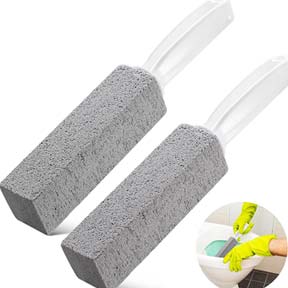
- Very stubborn buildup on compatible porcelain: A pumice stone can sometimes be used carefully but it must remain wet while using.
Always choose a cleaning method that’s appropriate for the surface. If you aren’t sure what your tub or shower surround is made of, avoid abrasive methods such as pumice.
Removing Soap Scum
If one method doesn’t fully remove the buildup, don’t worry! Try another solution, but rinse the surface thoroughly before switching to a different cleaner.
For vertical surfaces like shower walls, use less water in a homemade paste so it stays in place instead of running down the wall.
Borax for Stubborn Soap Scum
Borax can help loosen and scrub away stubborn soap scum. Because it is a powdered cleaner, it can also provide some scrubbing action when mixed into a paste.
What You Need:
- 1 cup borax
- 2 tablespoons dish soap
- Enough water to make a thick paste
How to Use It:
- Mix the ingredients into a thick paste, about the consistency of pancake batter.
- Apply the paste to the soap scum using a soft-bristle brush or sponge.
- Let it sit for about 10 to 15 minutes. Don’t allow the mixture to dry completely.
- Scrub gently until the buildup is loosened.
- Rinse the surface thoroughly with clean water and wipe dry.
Borax can leave a slippery or powdery residue, so rinse well after cleaning.
Baking Soda for Light to Moderate Soap Scum
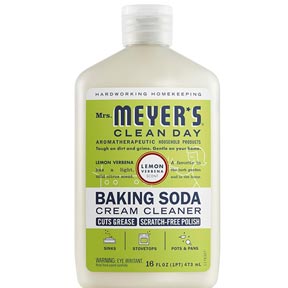
Baking soda is a mild abrasive that can help scrub away soap scum without relying on a strong chemical cleaner.
What You Need:
- 1 cup baking soda
- 1 tablespoon dish soap
- Enough water to make a paste
How to Use It:
- Mix the ingredients into a pancake batter like paste.
- Apply the paste to the soap scum with a soft sponge or soft-bristle brush.
- Let it sit for about 10 to 15 minutes.
- Scrub gently until the soap scum is loosened.
- Rinse thoroughly with clean water.
- Wipe the surface dry.
Avoid aggressive scrubbing, especially on surfaces that can scratch easily.
Vinegar for Soap Scum and Mineral Deposits
White vinegar is an acid that can help dissolve some soap residue and mineral deposits from hard water.
What You Need:
- 2 cups white vinegar
- 2 cups water
- 1 teaspoon dish soap
How to Use It:
- Mix the ingredients in a spray bottle.
- Spray the solution onto the soap scum.
- Let it sit for about 10 to 15 minutes.
- Scrub with a soft sponge or soft-bristle brush.
- Rinse thoroughly with clean water.
- Wipe the surface dry.
Important: Do not use vinegar on marble, limestone, travertine or other acid-sensitive natural stone. Acids can etch and damage these surfaces.
Also, never mix vinegar with bleach or other cleaning products.
Ammonia for Heavy Soap Scum
Ammonia can cut through some greasy or stubborn bathroom buildup, but it has strong fumes and isn’t necessary for most soap-scum problems. For that reason, it’s best treated as an occasional option rather than a first choice.
If you use an ammonia-based cleaner, follow the product label directions rather than making a concentrated homemade mixture.
Always provide good ventilation, wear appropriate gloves, and never mix ammonia with bleach or products containing bleach. Mixing ammonia and bleach can produce dangerous gases.
Pumice Stone for Stubborn Soap Scum
A pumice stone can sometimes remove extremely stubborn buildup from compatible porcelain surfaces.
How to Use It:
- Make sure the surface is appropriate for pumice and can tolerate light abrasion.
- Wet both the pumice stone and the surface thoroughly.
- Gently rub the stone over the buildup using very light pressure.
- Keep both the stone and surface wet while working.
- Rinse thoroughly when the buildup has been removed.
Do not use a pumice stone on fiberglass, acrylic, plastic, glass, painted or finished surfaces, or materials that can scratch easily. If you’re unsure whether your tub or shower can tolerate pumice, use a less abrasive cleaning method instead.
Soap Scum vs. Hard Water Deposits
Not all white or cloudy buildup in a shower is soap scum.
Soap scum forms when traditional soap reacts with minerals in hard water. Hard-water deposits, sometimes called mineral scale, are mineral deposits left behind by water itself.
The two can occur together, which is why bathroom buildup can sometimes be especially difficult to remove.
If the buildup is mostly white, chalky and crusty, you may be dealing with hard-water deposits as well as soap scum. An acidic cleaner such as diluted white vinegar can help dissolve mineral deposits on acid-safe surfaces.
If you’re cleaning natural stone, however, avoid vinegar and other acidic cleaners because they can damage the stone.
What Not to Use When Removing Soap Scum
Trying to remove stubborn soap scum by using something extremely abrasive or mixing several cleaners together can cause more problems than it solves.
Avoid:
- Vinegar on marble, limestone, travertine and other acid sensitive stone
- Pumice on acrylic, fiberglass, glass or other easily scratched surfaces
- Harsh abrasive cleaners on delicate or glossy finishes
- Mixing bleach with ammonia
- Mixing bleach with vinegar or other acids
- Mixing different cleaning products together unless the product directions specifically say they can be combined
When in doubt, start with the mildest effective cleaning method and increase the cleaning power only if necessary.
How to Prevent Soap Scum from Coming Back
The best way to fight soap scum? Stop it before it starts. Here are some simple ways to reduce buildup:
- Choose liquid body wash: Traditional bar soap is more likely to react with hard water minerals and form soap scum. Many liquid body washes are detergent-based and don’t create the same type of insoluble soap residue.
- Avoid excessive bath oils: Bath oils and oily products can contribute to the residue left around a bathtub. If you enjoy using them, wipe or clean the tub afterward rather than allowing the residue to build up.
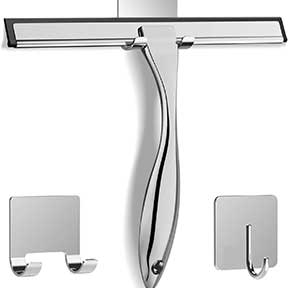
- Squeegee or wipe the shower dry: Removing water from shower walls and doors after each use reduces the amount of water and residue left behind.
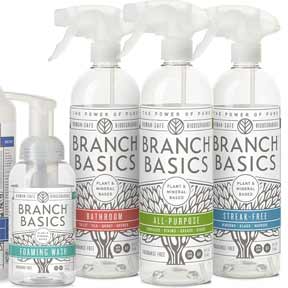
- Use a daily shower cleaner: A product designed for daily shower use can help reduce soap and mineral buildup when used according to its label directions.
- Clean regularly: A quick cleaning once or twice a week is much easier than trying to remove months of accumulated soap scum.
Removing Soap Scum from Shower Doors
Glass shower doors can develop a cloudy film from a combination of soap residue and hard water minerals.
To keep them cleaner:
- Squeegee the glass after each shower.
- Wipe away remaining water from the door and surrounding surfaces.
- Clean the glass regularly before buildup becomes heavy.
- Use a suitable glass or bathroom cleaner for stubborn residue.
- If hard water deposits are present, use an acid-based cleaner only if the glass and surrounding surfaces are compatible with it.
Pay particular attention to the bottom of the shower door and the tracks, where water and residue can collect.
A Simple Routine for Removing Soap Scum
You don’t need to spend hours scrubbing your bathroom if you stay ahead of the buildup.
After each shower: Squeegee or wipe down the shower walls and doors.
Once a week: Clean the shower with a mild bathroom cleaner or another appropriate cleaning solution.
When buildup becomes stubborn: Use a more targeted method, such as baking soda or an appropriate soap scum/mineral deposit cleaner.
For very heavy buildup: Work in small sections rather than trying to remove everything at once.
Soap scum may be stubborn, but it doesn’t have to take over your bathroom. With the right cleaning method and a little regular maintenance, you can remove existing buildup and make it much easier to keep your tub and shower clean.
Whether you use baking soda, borax, vinegar, a commercial cleaner, or another appropriate method, always consider the surface you’re cleaning before choosing a product.
And remember – prevention is key! A quick squeegee, regular cleaning and choosing products that create less soap residue can mean less time scrubbing and more time actually enjoying your bath.
Related Articles
Cleaning Mold and Mildew in the Bathroom
Bathroom Cleaning

Follow Us on Facebook