How to Wash Bathroom Rugs with Rubber Backing
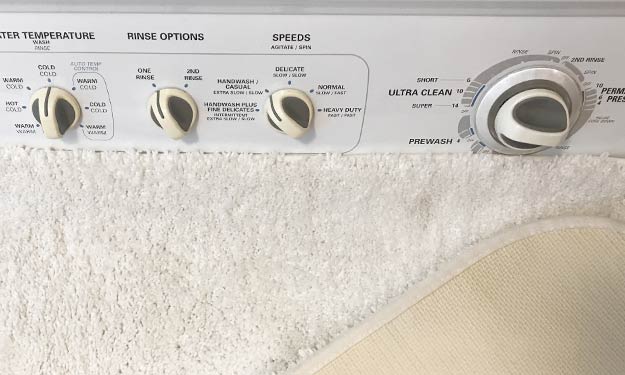
Washing Bath Mats with Rubber Backing
Washing and drying a rubber-backed floor mat.
Bathroom rugs with rubber backing help keep bath mats from slipping on the floor, but they need a little extra care when washing and drying. Knowing how to wash bathroom rugs with rubber backing can help keep them clean without causing the backing to crack, peel, or break down.
Bath mats are standard items in most bathrooms, but how often do you really wash them? And if you wash yours regularly, are you doing it in a way that protects the rubber backing?
Some manufacturers recommend washing new bath mats before using them to remove residual odors or loose fibers left over from manufacturing. It’s always a good idea to check the care label before washing a new mat.
With the right washing and drying methods, you can help your rubber-backed bathroom rugs last longer before needing to replace them.
Why Wash Bath Mats and How Often?
Bathrooms are damp environments where mold, mildew, and bacteria can develop when moisture lingers. Bath mats absorb water from wet feet, and they can collect hair, lint, soap residue, and everyday dirt.
How often you wash bath mats depends on how many people use the bathroom, how frequently the mat gets wet, and how quickly it dries.
As a general guideline, wash bath mats about once a week. You may need to wash them more often if several family members share a bathroom, the mat gets heavily soiled, or it stays damp for long periods.
Between washings, hang the mat so air can circulate around it and allow it to dry completely. If it develops an unpleasant smell, visible mold, or other persistent soiling, clean it sooner.
How to Wash a Bath Mat with Rubber Backing
Most washable bathroom mats can be cleaned in a washing machine, but always check the care label first. If you bought your bathroom rug secondhand and it doesn’t have a label, use extra caution because you may not know what materials or adhesives were used.
I prefer washing two or more bath mats together when possible, provided they fit comfortably in the machine without overcrowding it.
- Shake out the bath mats. Take them outside and give them a good shake to remove as much hair, lint, and loose debris as possible before washing.
- Treat stains if necessary. Apply a suitable stain remover according to its directions. Hydrogen peroxide may help with some organic stains, but it can lighten colored fabrics. Test an inconspicuous area first and allow it to dry before checking for color changes.
- Load the washing machine. Place the bath mats in the machine, add your regular laundry detergent, and select a gentle cycle with cold water, unless the care label specifies otherwise.
- Add baking soda for odors if needed. A small amount of baking soda may help with lingering odors. Use it sparingly, it is not a disinfectant, and it isn’t necessary for every wash.
- Avoid overcrowding the machine. I don’t stuff too many bath mats into the washer at once. They need room to move around so they can be cleaned and rinsed properly.
Important: Avoid chlorine bleach, hot water, and harsh washing conditions. Heat and harsh chemicals can damage some rubber backings and cause them to crack, peel, or break down. Don’t use a stain treatment or laundry additive unless it is suitable for the mat’s materials.
How to Dry a Rubber Backed Bath Mat
Drying is just as important as washing when caring for bathroom rugs with rubber backing. Excessive heat can damage the backing, so air-drying is the safest choice when possible.
If the weather cooperates, hang the bath mat outside over a clothesline or drying rack. Fresh air helps the mat dry, but avoid prolonged direct sunlight if the fabric or backing may fade or deteriorate.
If you cannot dry the mat outdoors, follow these steps:
- Check the care label. Some rubber-backed mats should not go in the dryer at all. If machine drying is permitted, use the lowest heat setting or an air-only setting.
- Remove the mat promptly. Don’t leave it bunched up in the dryer. Take it out when the cycle finishes and check whether the fabric and backing are dry.
- Allow extra drying time if needed. If the mat is still damp, finish drying it on a rack or clothesline rather than repeatedly exposing the backing to heat.
Make sure the mat is completely dry before placing it back on the bathroom floor. A damp mat can trap moisture underneath and contribute to odors or mildew.
Alternative Ways to Wash a Bath Mat
If you don’t want to wash your bathroom rug in the washing machine, you can clean some mats outdoors with a garden hose or by hand.
- Shake out the mat to remove loose hair and dirt.
- Spot-treat stains with a suitable cleaner, testing it on an inconspicuous area first.
- Use a small amount of mild laundry detergent and cool water to gently clean the washable fabric, if the care instructions allow it.
- Rinse thoroughly with a gentle stream of water. Avoid using a high-pressure spray that could damage the backing.
- Hang the mat to dry completely before bringing it back inside.
This method can work well for mats that are too bulky for your washer, provided the materials can tolerate water and the mat can be rinsed and dried thoroughly.
In Between Cleanings
Even if your bath mat doesn’t need a full wash every few days, it still benefits from a little attention between cleanings.
Once a week, or more often if needed, take it outside and shake it out to remove loose hair and debris. Hang it over a rack or clothesline to let air circulate around it. If you have a sunny outdoor area, a little fresh air can help.
It’s also worth checking the underside of the mat from time to time. If the rubber backing is cracking, peeling, flaking, or becoming brittle, it may be time to replace the mat. A damaged backing may no longer provide reliable slip resistance.
If you’ve had problems with rubber backing breaking down or peeling off in the past, knowing how to wash bathroom rugs with rubber backing can help you care for them properly and extend their useful life. Gentle washing, careful drying, and regular checks of the backing can make a difference.
Bathroom Cleaning

Follow Us on Facebook