
Rust Stain Removers
Removing Rust Stains
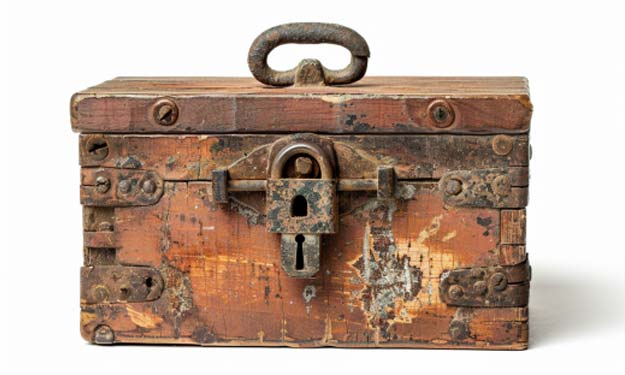
Rust stains are typically reddish, orange, or yellowish in color and result from the oxidization of metal. These stains can be particularly stubborn and challenging to remove from various surfaces, especially fabrics. The process of removing rust stains often requires a combination of time, patience, the correct techniques, and the right rust stain remover.
Rust Stains Can Be Removed
Successfully removing rust stains is possible with the right approach, though it is not always guaranteed. There are numerous methods and products available for tackling rust stains. Sometimes, common household items such as vinegar, lemon juice, or baking soda can be effective in removing these stains. In other instances, you might need to resort to specialized rust stain removers designed to handle more stubborn cases.
When dealing with rust stains on fabrics, it is essential to carefully read the labels and understand the type of fabric you are treating. Different fabrics may require different treatment methods, and using the wrong product can potentially damage the material. For instance, delicate fabrics might not withstand the same treatment as more durable ones, so knowing the fabric type is crucial.
Rust Can Appear on Many Surfaces
Rust stains are not limited to fabrics alone; they can also appear on a wide range of surfaces including toilets, driveways, concrete, metal surfaces, masonry, patios, carpets, and outdoor furniture. Each of these surfaces may require a specific approach for effective rust removal. For example, rust on concrete might be addressed with a commercial rust remover, while metal surfaces might benefit from a mixture of household ingredients and elbow grease.
In addition to the physical effort required, it is also important to consider the environmental and safety implications of the products used. Some commercial rust removers contain harsh chemicals that can be harmful to both the user and the environment. Therefore, opting for environmentally friendly and non-toxic alternatives whenever possible is a wise choice.
In Summary
Removing rust stains, whether from fabrics or other surfaces, is a task that demands the right tools, techniques, and a good dose of patience. By understanding the nature of the stain and the material affected, and by selecting appropriate methods and products, you can improve your chances of restoring your surfaces to their original, stain-free condition.
Explore House Cleaning Tips
- Cleaning Your House Quickly
 How to Clean Your House Quickly Sometimes you need to clean your house, but you don’t have hours to spend doing it. Maybe company is coming, you have a busy day ahead, or your house simply needs a quick reset. The trick is not to…
 - How to Clean Your House: Room by Room
 How to Clean Your House Room by Room How to clean your house room by room. Cleaning your entire house can feel like a big job when you look at every room at once. Instead of trying to clean everything at the same time, cleaning…
 - How to Clean Your House: Where Do You Start?
 Where to Start Cleaning Your House Cleaning your whole house can feel overwhelming, especially when you look around and see everything that needs to be done at once. The good news is that you don’t have to clean everything at the same time. Knowing where…
 - Laundry 101: Part 10 – The Complete Laundry Guide
 Your Complete Guide to Doing Laundry Laundry seems simple until you’re standing in front of the washing machine wondering how much detergent to use, whether that new red shirt is going to bleed, or whether the stain on your favorite shirt is really gone. After…
 - Laundry 101: Part 9 – Laundry Problems and How to Fix Them
 What Mom Didn’t Tell You About Laundry Problems and How to Fix Them Laundry doesn’t always come out of the washer and dryer looking, feeling, and smelling the way we expect. Sometimes clothes still smell after washing. Sometimes they’re stiff, covered in lint, full of…
